

All posts by Mukesh Kumar

B2B Growth and Demand Generation Consultant, SaaS Marketer, Fractional CMO, Enterprise SEO Expert.

The Importance of Lead Nurturing for Business Growth

Why Lead Nurturing is Important

Lead nurturing has emerged as a pivotal strategy for achieving sustainable growth and driving revenue. At its core, lead nurturing is the art of carefully cultivating relationships with potential customers throughout their journey in the sales funnel.

Rather than focusing solely on lead generation and customer acquisition, businesses now realize that maintaining existing customer relationships is equally crucial. One key reason why lead nurturing has gained such significance lies in understanding the customer lifecycle.

The journey from initial awareness to final purchase involves multiple touchpoints and interactions with a brand. By implementing effective lead nurturing strategies, businesses can guide potential customers through each stage of this journey, increasing their chances of converting leads into loyal customers.

Lead nurturing also plays a vital role in building long-lasting relationships with prospects. In today’s content-driven world, where consumers have access to an abundance of information at their fingertips, businesses need to establish trust and credibility to differentiate themselves from competitors.

Through personalized communication and targeted content marketing efforts, companies can nurture leads by providing valuable information that addresses their pain points and establishes the brand as a trusted authority within the industry. Furthermore, lead nurturing can prove advantageous in terms of cost savings.

While many organizations allocate significant resources toward attracting new leads through various marketing channels, neglecting existing leads can be detrimental to overall efficiency and effectiveness.

By investing in a robust lead nurturing strategy that focuses on retaining and converting leads already within your pipeline, businesses can make the most out of their marketing investments while reducing acquisition costs.

Lead nurturing occupies a critical role in modern-day business growth strategies. By recognizing the value of maintaining relationships throughout the customer journey, businesses can effectively guide leads toward conversion while building trust and credibility along the way.

Moreover, by focusing on existing leads instead of solely chasing new prospects, companies can optimize their resources while maximizing returns on investment. In subsequent sections of this article, we will delve deeper into strategies for creating an effective lead nurturing plan, from defining your goals to tracking results and beyond.

Lead Nurturing Increases Your Chances of Converting Leads into Customers

By implementing an effective lead nurturing strategy, businesses can strategically nurture leads and guide them through the various stages of the customer lifecycle.

At the heart of lead nurturing, understanding the needs and interests of each lead allows businesses to tailor their communications accordingly. This process involves lead scoring and lead qualification techniques to segment leads based on their level of engagement, demographics, and behavioral patterns.

By identifying high-potential leads who have demonstrated a genuine interest in your products or services, you can allocate your resources more efficiently and focus on those who are most likely to convert. One effective method for nurturing leads is through email marketing campaigns.

By delivering personalized content directly to prospects’ inboxes, businesses can provide value-added information that aligns with their interests and pain points. These emails may include educational resources such as blog posts, whitepapers, or ebooks that address specific challenges faced by your target audience.

Additionally, inviting leads to participate in webinars or exclusive events can further engage them while positioning your brand as a trusted authority within your industry. It’s important to recognize that not all leads are ready for immediate conversion at any given time.

Lead nurturing acknowledges this reality by providing relevant touchpoints throughout the customer journey. By consistently delivering valuable content and engaging with prospects at different stages of their decision-making process, you build trust and credibility over time – ultimately increasing the likelihood of converting these nurtured leads into paying customers.

Effective lead nurturing significantly enhances a business’s ability to convert potential clients into loyal customers. Through strategies like email marketing campaigns and personalized content delivery, companies can engage prospects throughout their customer lifecycle while addressing their specific needs and concerns dynamically.

By investing time in understanding each lead’s unique requirements through techniques like lead scoring and qualification, businesses can optimize their resources and yield greater returns on their marketing efforts. Ultimately, the benefits of successful lead nurturing extend beyond just customer acquisition, as it also contributes to customer retention and advocacy in the long run.

Lead Nurturing Builds Relationships with Leads and Turns Them into Advocates for Your Brand

It is not enough to generate leads and hopes for them to convert into customers. One must understand the significance of building relationships with leads through effective lead-nurturing strategies.

Lead nurturing is a crucial element in the sales funnel as it involves engaging and nurturing leads at various stages of their customer journey. One way in which lead nurturing builds relationships with leads is by providing relevant and valuable content that addresses their needs and pain points.

By understanding your leads’ challenges, you can tailor your content marketing efforts to provide them with information that genuinely helps them overcome obstacles or achieve their goals. This can be done through various channels such as blog articles, whitepapers, webinars, or even personalized email marketing campaigns.

By consistently delivering high-quality content, you position yourself as an authoritative source in your industry and establish trust with your leads. Furthermore, lead nurturing allows you to stay top-of-mind with your prospects throughout the customer lifecycle.

By maintaining regular communication and delivering value-added content, you ensure that your brand remains relevant even after the initial contact. This helps nurture relationships over time and keeps potential customers engaged until they are ready for conversion.

By engaging leads at different points in their customer journey, you have the opportunity to guide them towards becoming advocates for your brand. By cultivating strong relationships through lead nurturing efforts, businesses can turn satisfied customers into loyal advocates who not only make repeat purchases but also actively promote your brand within their networks.

Satisfied customers are more likely to refer others who may benefit from your products or services, thus aiding in customer acquisition. Through effective lead scoring and qualification techniques during the lead nurturing process, businesses can identify those highly engaged prospects who are most likely to become long-term advocates for their brand.

Successful lead nurturing strategies focus on building relationships with leads throughout their customer journey by providing valuable content tailored to their needs. By doing so, businesses can establish trust, stay top-of-mind, and ultimately turn leads into brand advocates.

This approach not only increases customer retention but also aids in customer acquisition through satisfied customers who actively promote your brand. Lead nurturing plays a pivotal role in developing meaningful connections with potential customers and should be an integral part of any comprehensive marketing strategy.

How lead nurturing can help you grow your business

Lead Nurturing Saves You Money on Marketing Costs

Lead nurturing is not only beneficial for building relationships and increasing conversion rates but also for saving money on marketing costs. This aspect of lead nurturing is often overlooked but holds immense significance in the overall marketing strategy of any business.

By implementing effective lead nurturing techniques, businesses can significantly reduce their customer acquisition costs and optimize their marketing efforts. One way lead nurturing saves you money on marketing costs is by maximizing the potential of your existing leads.

Instead of constantly focusing on generating new leads through costly methods like advertising or lead generation campaigns, a well-implemented lead nurturing strategy allows you to cultivate relationships with your current leads and guide them through the customer journey. By providing valuable content tailored to their needs, interests, and pain points, you enhance their engagement and move them closer to making a purchase.

This targeted approach helps you make the most out of your existing leads without constantly investing in new customer acquisition efforts. Email marketing plays a vital role in cost-effective lead nurturing strategies.

By leveraging automated email workflows, businesses can deliver personalized content directly to their leads’ inboxes at strategic touchpoints along the customer lifecycle. These emails can include educational materials, exclusive offers, or updates about relevant products or services.

Not only does this save money compared to traditional direct mail campaigns but it also enables businesses to nurture multiple leads simultaneously without requiring significant resources. Additionally, by utilizing webinars as a part of your lead nurturing strategy, you can showcase your expertise while engaging with a large audience at once.

Webinars provide an excellent platform for delivering valuable insights and addressing common pain points faced by your target audience. They not only allow you to establish yourself as a thought leader in your industry but also enable you to nurture multiple leads simultaneously without drastically increasing your marketing expenses.

Overall, integrating cost-effective tactics such as email marketing automation and webinars into your lead nurturing strategy helps optimize your marketing budget by focusing on cultivating relationships with existing leads rather than solely relying on costly customer acquisition methods like advertising.

By investing in lead nurturing, businesses can achieve higher conversion rates, increase customer retention, and ultimately maximize their return on investment.

How to Create a Lead Nurturing Strategy

A well-crafted lead nurturing strategy is crucial for businesses aiming to maximize their customer acquisition efforts and drive sustainable business growth. To create an effective lead nurturing strategy, several key steps must be taken. First and foremost, it is essential to define your goals clearly.

Determine what specific outcomes you want to achieve through your lead nurturing efforts. Are you looking to increase conversions, improve customer retention, or boost overall sales?

By setting clear objectives, you can tailor your strategy to align with these goals and measure its effectiveness accurately. Identifying your leads is the next critical step in crafting a successful lead-nurturing strategy.

Lead Nurturing Strategy

Understanding where your leads are in the customer lifecycle or journey allows you to tailor your approach accordingly. Segmenting leads based on their level of interest or engagement enables personalized content marketing efforts that resonate with each segment’s needs and preferences.

This can be achieved through various methods, such as lead scoring and qualification techniques, ensuring that the right messages are delivered at the right time. Once you have identified your leads, creating a comprehensive content plan becomes paramount.

Content marketing plays a vital role in nurturing relationships with leads by providing relevant and valuable information throughout their buying process. Consider incorporating various content formats such as blog posts, whitepapers, videos, webinars, or case studies that cater to different stages of the customer journey.

By delivering targeted content that addresses specific pain points or challenges faced by potential customers, you can establish yourself as an industry authority while simultaneously guiding leads toward conversion. In addition to content creation, utilizing email marketing campaigns can significantly enhance your lead nurturing efforts.

By designing personalized email sequences triggered by specific actions or milestones achieved by leads, businesses can maintain regular communication while gently nudging prospects toward making purchasing decisions. These emails should be informative yet persuasive without being overly sales-oriented.

By following these steps in creating a well-rounded lead nurturing strategy encompassing defined goals, effective lead identification and segmentation techniques, diverse content marketing approaches tailored for each stage of the customer journey, and well-crafted email campaigns, businesses can foster long-term relationships with their leads.

Such an approach not only increases the chances of converting leads into customers but also strengthens customer retention rates, ultimately contributing to sustainable business growth.

Define Your Goals

Defining your goals is a crucial step in creating an effective lead-nurturing strategy. Without clear objectives, it becomes challenging to measure the success and effectiveness of your efforts.

The first goal of lead nurturing is typically focused on customer acquisition, where you aim to convert leads into paying customers. This involves moving leads through the various stages of the sales funnel until they are ready to make a purchase.

To define your goals effectively, start by identifying the desired outcomes you want to achieve with your lead nurturing campaign. For example, you might want to increase conversion rates, improve customer retention rates, or shorten the customer lifecycle.

Once you have identified these primary objectives, break them down into specific and measurable targets. This could include metrics like increasing email open rates by 20%, generating a certain number of qualified leads within a specific timeframe, or boosting overall revenue by a certain percentage.

Additionally, consider incorporating lead scoring into your goal-setting process. Lead scoring allows you to prioritize and categorize leads based on their level of interest and engagement with your brand.

By assigning scores based on actions such as website visits, email clicks, or webinar attendance, you can focus your efforts on nurturing those leads that are most likely to convert into customers. Ultimately, defining your goals will help shape your lead nurturing strategy and guide its execution.

It provides clarity and direction while allowing you to monitor progress and make necessary adjustments along the way. Keep in mind that goals should be realistic yet ambitious enough to drive continuous improvement in your marketing efforts.

Defining clear and measurable goals is essential for an effective lead nurturing strategy. By focusing on customer acquisition through targeted content marketing efforts and implementing tools like lead qualification and scoring techniques, businesses can navigate their prospects through the various stages of the sales funnel more efficiently.

Setting specific targets enables companies to track their progress accurately and make data-driven decisions about their lead nurturing campaigns’ optimization. Lead generation is just one part of the equation; lead nurturing is what ultimately drives conversions and customer loyalty.

By defining your goals, you can align your efforts with your desired outcomes and create a solid foundation for a successful lead-nurturing strategy. Remember, it is all about understanding the needs of your leads, providing valuable content at every step of their customer journey, and continually optimizing your approach to foster long-term relationships with customers.

Identify Your Leads

To effectively nurture your leads, it is crucial to first identify who they are. Understanding the characteristics and preferences of your potential customers enables you to tailor your lead nurturing efforts to their specific needs.

One important aspect of identifying leads is lead scoring, a methodology used to rank prospects based on their level of engagement and likelihood of conversion. To identify your leads, start by assessing the information you already have about them.

This could include data from previous interactions, website analytics, social media engagement, or even surveys and forms that prospects have filled out. By analyzing this information, you can gain insights into their demographics, interests, and behavior patterns.

Another valuable approach for lead identification is segmenting your leads based on different criteria such as industry, job title, or geographic location. This allows you to create personalized campaigns that resonate with specific segments of your target audience.

Identify Your Leads

Segmenting leads helps you prioritize your efforts by focusing on those who are most likely to convert. Once you have identified your leads and segmented them accordingly, it becomes easier to align your lead nurturing strategies with each stage of the customer journey or lifecycle.

For example, if a lead is in the early stages of awareness and discovery about your product or service, you may want to focus on providing educational content through webinars or blog posts. On the other hand, if a lead has shown strong interest and is closer to making a purchase decision, personalized email marketing campaigns tailored toward addressing any remaining objections might be more effective.

By investing time in identifying and understanding your leads’ preferences and behaviors through thorough lead qualification processes and data analysis techniques like lead scoring and segmentation;

Businesses can significantly enhance their ability to nurture relationships throughout the customer acquisition process while increasing both customer retention rates and revenue growth potential. (Note: Please remember that this AI-generated content aims at providing helpful information but should still be reviewed/checked by an expert in the field before publishing.)

Create a Content Plan

Creating a Content Plan When it comes to effective lead nurturing, crafting a well-thought-out content plan is of paramount importance.

A robust content strategy helps guide your efforts in delivering valuable and relevant information to your leads at each stage of the customer lifecycle. By tailoring your content to align with their needs and interests, you can effectively move them through the sales funnel and increase their likelihood of conversion.

To develop an effective content plan, start by identifying the different stages of your lead generation process. Consider how prospects interact with your brand from initial awareness through to becoming loyal customers.

This understanding will enable you to create targeted content that addresses their specific pain points, offers solutions, and positions your brand as a trusted authority in the industry. Incorporating various forms of content marketing into your strategy can significantly enhance lead-nurturing efforts.

For instance, blog posts can serve as educational resources that draw in potential leads while establishing credibility within your niche. Webinars or online events provide an interactive platform where you can engage with leads directly, share valuable insights, and establish personal connections.

Ebooks or whitepapers offer in-depth knowledge that demonstrates expertise while capturing leads’ contact information for further nurturing. An essential aspect of creating a successful content plan is ensuring consistency across all channels.

Whether it’s email marketing campaigns or social media posts, maintaining a coherent message throughout the customer journey fosters trust and familiarity with your brand. Furthermore, consider implementing lead-scoring techniques that help prioritize prospects based on their engagement level with different types of content.

By tracking these interactions, you can tailor future communications to individual preferences and move leads closer to conversion. Developing a comprehensive content plan plays a crucial role in effective lead-nurturing strategies.

By understanding the stages of the customer journey and aligning your content with their needs at each step along the way, you can build trust, establish thought leadership, and ultimately guide leads toward becoming loyal customers. Through various forms of content marketing, consistent messaging, and lead-scoring techniques, you can create a targeted approach that maximizes the potential for customer acquisition and retention.

Tips for effective lead nurturing

Track Your Results

Track your results to ensure the effectiveness of your lead nurturing efforts, it is crucial to track and analyze your results. Tracking allows you to gain valuable insights into the performance of your lead nurturing campaigns, enabling you to make data-driven decisions and optimize your strategies.

By monitoring key metrics and analyzing various aspects of your lead nurturing process, you can identify what works well and what needs improvement. One important element to track is the progress of leads through the sales funnel.

This involves monitoring the movement of leads from one stage to another and evaluating their engagement levels at each touchpoint. By understanding how leads interact with your content and offer at different stages, you can refine your lead scoring and qualification processes accordingly.

Tracking conversion rates at each stage enables you to identify potential bottlenecks or areas where leads may drop off, allowing for targeted intervention. Moreover, tracking helps measure the impact of lead nurturing on customer acquisition and overall business growth.

By analyzing data related to qualified leads that converted into customers as a result of effective nurturing efforts, you can determine the return on investment (ROI) generated by your marketing initiatives. This allows for better resource allocation and budget optimization.

To effectively track results, leveraging marketing automation tools can be immensely beneficial. These tools enable detailed tracking of email marketing campaigns, website interactions, content engagement metrics, webinar attendance rates, and other relevant factors throughout the customer journey.

By integrating these metrics into a centralized dashboard or CRM system, marketers gain a comprehensive view of their lead nurturing performance. Tracking results plays a pivotal role in optimizing and refining your lead nurturing strategy for business growth.

By closely monitoring key metrics such as conversion rates within the sales funnel, customer acquisition influenced by nurtured leads, and utilizing marketing automation tools for comprehensive data analysis; businesses can make informed decisions that drive success in both lead generation and customer retention efforts.

Remember that effective tracking goes beyond merely collecting data – it empowers you to understand the nuances of your target audience’s behavior and tailor your lead nurturing approach accordingly.

Conclusion

Lead nurturing is an essential strategy for businesses seeking sustainable growth and long-term success. Through effective lead nurturing, businesses can optimize their marketing efforts, increase customer retention rates, and ultimately drive revenue growth.

By understanding the significance of building relationships with leads throughout the customer journey, companies can better align their marketing and sales efforts to meet the needs of their target audience. One of the key benefits of lead nurturing is its ability to enhance customer acquisition.

By strategically engaging with leads through personalized content and tailored communication channels such as email marketing campaigns, businesses can effectively guide potential customers through the sales funnel. This process enables them to deliver relevant information and valuable insights that address the pain points and desires of their leads.

Moreover, by utilizing techniques like lead qualification and scoring, businesses can identify high-value prospects more efficiently, ensuring that their resources are allocated towards those most likely to convert. Furthermore, lead nurturing plays a crucial role in fostering long-term customer relationships.

Through ongoing engagement and providing valuable educational content across various touchpoints, businesses have an opportunity to establish themselves as trusted advisors in their respective industries.

By offering webinars or hosting virtual events on topics that align with their target audience’s interests, companies can position themselves as thought leaders while simultaneously addressing any knowledge gaps or concerns potential customers may have.

A well-executed lead nurturing strategy also contributes significantly to cost savings for businesses by maximizing marketing efficiency. Instead of focusing solely on acquiring new leads through expensive advertising initiatives or other forms of outbound marketing methods, attention is shifted toward building lasting relationships with existing leads.

This approach reduces reliance on continuous lead generation efforts while increasing overall conversion rates. Implementing a comprehensive lead nurturing strategy within your business operations is a game-changer when it comes to driving growth and achieving sustainable success.

By recognizing the significance of delivering personalized content throughout the customer lifecycle and maintaining consistent engagement with leads over time, companies have a higher chance of converting prospects into loyal customers. In today’s competitive market, where customer attention is divided and acquisition costs are rising, effective lead nurturing can be the differentiating factor that propels your business forward.

Lead Nurturing is a Long-Term Strategy for Building Relationships with Leads and Turning Them into Customers

Lead nurturing is an integral part of a successful long-term strategy for building relationships with leads and ultimately converting them into loyal customers. In today’s competitive business landscape, simply generating leads is not enough; businesses must be proactive in cultivating these leads throughout the entire customer lifecycle.

By implementing effective lead nurturing techniques, businesses can strategically guide prospects through the sales funnel, ensuring that they stay engaged and informed at each stage of their customer journey.

One key aspect of lead nurturing is the utilization of content marketing. Providing valuable and relevant content to your leads is crucial for keeping them engaged and moving them further down the sales funnel.

This can take the form of blog posts, whitepapers, e-books, webinars, or email newsletters that address their pain points and offer solutions. By consistently delivering high-quality content that resonates with your target audience, you establish yourself as a trusted authority in your industry and build credibility among potential customers.

Another important element in lead nurturing is lead qualification and scoring. Not all leads are created equal; some may be more ready to make a purchasing decision than others.

Lead scoring allows businesses to prioritize their efforts by assigning numerical values to individual leads based on factors such as engagement level, demographics, or actions taken on their website. By conducting comprehensive lead qualification processes and effectively scoring your leads’ readiness to purchase, you can tailor your marketing messages accordingly and focus your resources on those most likely to convert.

Personalized email marketing campaigns play a vital role in nurturing leads over time. Customizing messages based on specific segments or individual preferences helps establish a deeper connection with your audience by providing relevant information when they need it most.

Automated email workflows enable businesses to deliver timely messages at certain milestones or triggers along the customer journey while saving time and effort. Implementing an effective lead nurturing strategy is paramount for building strong relationships with prospects while guiding them toward becoming valuable customers.

By utilizing content marketing techniques tailored to their needs and interests, conducting thorough lead qualification processes, and implementing personalized email marketing campaigns, businesses can cultivate a loyal customer base and increase their chances of long-term success in an increasingly competitive market.

Remember, lead nurturing is not a one-time effort; it requires ongoing dedication and optimization to ensure that your leads receive the attention they deserve throughout their buyer’s journey.

Start Nurturing Your Leads Today

As we have explored throughout this comprehensive article on the importance of lead nurturing for business growth, it is evident that a well-executed lead nurturing strategy can significantly impact your bottom line. Now that we have delved into the various aspects of lead nurturing, it is time to put theory into action and start nurturing your leads without delay.

To embark on your lead nurturing journey, you must first understand the importance of maintaining consistent communication with your leads. Email marketing campaigns serve as a powerful tool for staying connected with potential customers throughout their customer lifecycle.

Through personalized and targeted emails, you can provide valuable information regarding your products or services, educate them about industry trends, or offer exclusive promotions. By strategically leveraging email marketing in your lead nurturing efforts, you can guide prospects along their customer journey and keep them engaged with your brand.

Another effective method to engage leads and foster meaningful relationships is through hosting webinars or online events. These interactive platforms allow you to deliver engaging content directly to your target audience while simultaneously showcasing expertise in your industry.

Webinars not only attract new leads but also provide a valuable opportunity to nurture existing ones by offering educational sessions tailored to their specific needs. By inviting qualified leads to participate in these webinars and providing them with actionable insights or solutions to their pain points, you solidify yourself as a trusted partner in their journey toward finding the right solution.

Email marketing webinars and content marketing play a pivotal role in sustaining long-term relationships with potential customers. Creating relevant and informative content such as blog articles, videos, whitepapers, or case studies positions you as a thought leader within your industry while simultaneously addressing common challenges faced by prospects.

By consistently delivering high-quality content tailored to different stages of the sales funnel, you establish credibility and trust among leads who are actively seeking information or solutions. Incorporating lead scoring and qualification techniques into your content marketing strategy enables you to prioritize leads based on their level of interest and engagement, thus streamlining the nurturing process and maximizing your conversion rates.

The importance of lead nurturing for business growth cannot be overstated. By proactively engaging with your leads through targeted email marketing campaigns, interactive webinars, and valuable content, you lay the foundation for long-term customer acquisition, retention, and advocacy.

Investing in a comprehensive lead nurturing strategy ensures that you stay top-of-mind with potential customers, guide them through their customer journey, and ultimately convert them into loyal advocates for your brand. So don’t wait any longer – start nurturing your leads today and unlock the full potential of your business.

How to Use ActiveCampaign to Grow Your Business

What is ActiveCampaign and How Can It Help Your Business Grow?

ActiveCampaign is one of the many sales and marketing tools we’ve used at our business for quite some time now.

And we continue to use it because it is a great tool that does the job.

There are a ton of software out there that you can choose from, but I’d say we have been able to utilize ActiveCampaign rather well. I’d even go on to say that for us, it’s been a game-changing tool for interacting with our customers and driving business growth. First things first, let’s talk about what ActiveCampaign is.

It’s not just another run-of-the-mill email marketing software; it’s a powerful system that combines the best aspects of CRM and marketing automation. With its robust features and intuitive interface, ActiveCampaign empowers businesses to streamline their operations, nurture leads with personalized messaging, and ultimately boost their ROI like never before.

ActiveCampaign offers an impressive array of benefits that make it stand head and shoulders above many of its competitors. Not only does it provide top-notch email marketing capabilities that allow you to craft engaging campaigns and connect with your audience on a deeper level, but it also serves as a comprehensive CRM software that helps you manage your customer relationships effortlessly.

It’s an all-in-one solution that saves you from the headache of juggling multiple tools by bringing everything under one roof.

If business growth and tying up your sales and marketing processes are at the forefront of your mind, then incorporating ActiveCampaign into your strategies is an absolute no-brainer. From lead generation to advanced customer relationship management to sales automation – this software has got it all covered.

Setting Up Your ActiveCampaign Account

Set up is a crucial first step towards unleashing the full potential of any software. It’s like laying the foundation for an architectural masterpiece to drive your business growth.

But it does require planning, patience, attention to detail, and a deep understanding of your business goals.

First things first, let’s talk about data and CRM integration. ActiveCampaign offers seamless integration with the most popular CRM platforms; this allows you to quickly bring your data into ActiveCampaign from other tools and centralize all customer data in one place. But if ActiveCampaign is your first CRM, you can also upload a CSV of your current contacts and account. It’s a reasonably simple few-step process.

ActiveCampaign Account

This means no more endless spreadsheets or scattered information. You can now effortlessly track and nurture leads throughout their entire journey, providing a personalized and tailored experience that will leave them begging for more.

Next up is email marketing automation. With ActiveCampaign, you can create stunning email campaigns that could make your competitors weep with envy.

ActiveCampaign’s intuitive interface allows you to segment your audience based on their preferences and behaviors, ensuring that each email hits its mark with laser-like precision.

ActiveCampaign goes beyond mere email marketing by offering advanced features such as SMS messaging and site tracking. Imagine reaching out to your customers directly on their mobile devices with enticing offers and exclusive discounts. Site tracking is great because it lets you capture customer events from your website, giving you valuable insights into their likes and dislikes.

Now I know what some of you may be thinking – “But what about the cost?” ActiveCampaign offers plans for businesses of all sizes and budgets. And also offers a free trial to experience it before committing to a paid subscription.

Here’s more on the pricing: https://www.activecampaign.com/pricing

guide to using ActiveCampaign for marketing and sales

Creating and Sending Email Campaigns

ActiveCampaign offers a variety of email templates that cater to different industries and campaign goals.

Whether you want to promote a product launch, nurture leads, or engage with existing customers, there’s a template for every occasion. And if you need things to be more custom, you can even create your templates from scratch using their drag-and-drop editor.

But what sets ActiveCampaign apart from other email marketing software is its powerful segmentation capabilities. You can create custom tags and segments based on various criteria, such as customer behavior, purchase history, or demographics.

This level of personalization enables you to tailor your messages specifically to individual recipients, ensuring higher engagement rates and ultimately driving more conversions. In addition to segmentation, ActiveCampaign also offers dynamic content functionality.

This means you can customize your emails’ content based on the recipient’s preferences or actions. And you can say goodbye to one-size-fits-all messages!

With ActiveCampaign’s dynamic content feature, you can deliver personalized experiences that resonate with each subscriber. Another notable feature is the ability to automate your email campaigns.

With ActiveCampaign’s visual automation builder, you can set up workflows that trigger specific actions based on user behavior or time intervals. From welcome sequences for new subscribers to abandoned cart reminders or re-engagement campaigns for inactive customers – the possibilities are endless.

And let’s not forget about reporting and analytics! ActiveCampaign provides detailed insights into how your email campaigns are performing.

You can track open rates, click-through rates (CTR), conversion rates, and much more. With this data-driven knowledge, you can optimize your future campaigns for better results; all allow you to create highly targeted campaigns that engage your audience and drive tangible results.

Using Automation to Save Time and Improve Your Results

Now, let’s talk about the real game-changer: automation. You see, automation is not just a fancy buzzword thrown around.

It’s a powerful tool that can revolutionize how you run your business and propel your growth. ActiveCampaign understands this concept and that its customers need it.

With its robust automation capabilities, ActiveCampaign allows you to streamline and automate various aspects of your marketing and sales processes. From lead generation to customer onboarding, this software has got you covered.

Once you start leveraging automation in your business, there’s no going back. No more manually sending emails or following up with leads one by one.

With ActiveCampaign’s automation features, you can set up complex workflows that handle these tasks for you automatically. Imagine the time and energy saved by letting the software handle repetitive tasks while you focus on more critical aspects of growing your business.

But it’s not just about saving time; it’s also about improving your results. See, we humans are prone to error – we forget things, we get distracted – but software? It never misses a beat. With ActiveCampaign automating your marketing and sales processes, you can rest assured that no lead will slip through the cracks and no opportunity will be missed.

Using Automation to Save Time

Furthermore, ActiveCampaign allows for highly personalized communication with your audience at scale. Segmenting your contacts based on various criteria, such as behavior or demographics, enables targeted messaging that resonates with each recipient.

This level of personalization creates a sense of connection and trust between your brand and its audience – a crucial factor in driving conversions. And allows you to move away from outdated methods like manual email marketing or clunky CRM software that only slows down your growth efforts.

How to use ActiveCampaign to grow your business

Tracking the Results of Your Campaigns

I want to dive a bit more into the tracking and analytics piece because I think it’s essential. In the realm of business growth strategies, tracking and analyzing data is paramount to success.

Let’s start with one of the most essential metrics: open rates. Tracking how many recipients actually open your emails gives you a glimpse into their level of interest and engagement.

ActiveCampaign makes it easy to evaluate these open rates at both an individual level and as an aggregate for specific segments or campaigns.

Moving on from opens to clicks, measuring click-through rates (CTR) is another fundamental aspect of gauging campaign effectiveness. This metric tells us who is interested enough to open our emails and who takes action by clicking on links within them. You can identify which elements resonate most with our audience and optimize our content accordingly.

ActiveCampaign goes beyond these basic metrics by providing advanced analytics that help decipher customer behavior patterns at every stage of their journey. You can track conversions from email sign-ups all the way through purchases or other desired actions using intuitive goal-tracking tools.

Tying revenue directly back to specific campaigns allows you to measure ROI effortlessly and make data-driven decisions about where best to allocate resources. If you’re serious about business growth and maximizing the potential impact of your email marketing efforts, tracking the results of your campaigns is not optional—it’s essential.

The Benefits of Using ActiveCampaign

One of the other key advantages of ActiveCampaign lies in its sales automation capabilities. The platform empowers you to streamline your sales processes, from lead generation to conversion.

With its CRM integration, you can easily track customer interactions, analyze data, and gain valuable insights into your customers’ behaviors and preferences. This knowledge allows you to tailor your marketing strategies accordingly, resulting in higher conversion rates and increased ROI.

ActiveCampaign’s email marketing software enables you to create personalized campaigns that resonate with your audience on a deeper level. Its intuitive drag-and-drop editor makes crafting visually appealing emails a breeze while ensuring high deliverability rates.

Automating repetitive tasks such as sending follow-up emails or nurturing leads based on specific triggers can save significant time and resources while maintaining a consistent communication flow with your prospects and customers.

This level of efficiency allows you to focus on high-value activities, such as strategizing for business growth, rather than being bogged down by manual labor.

Its features encompass all aspects of customer relationship management (CRM), email marketing, and sales automation seamlessly integrated into one platform. With its user-friendly interface and extensive functionality, ActiveCampaign empowers businesses to optimize their marketing efforts resulting in increased lead generation, improved conversion rates, and higher ROI figures – all contributing towards accelerated business growth.

The Importance of SEO for B2B Tech Startups

What is SEO and Why is it Important for B2B Tech Startups?

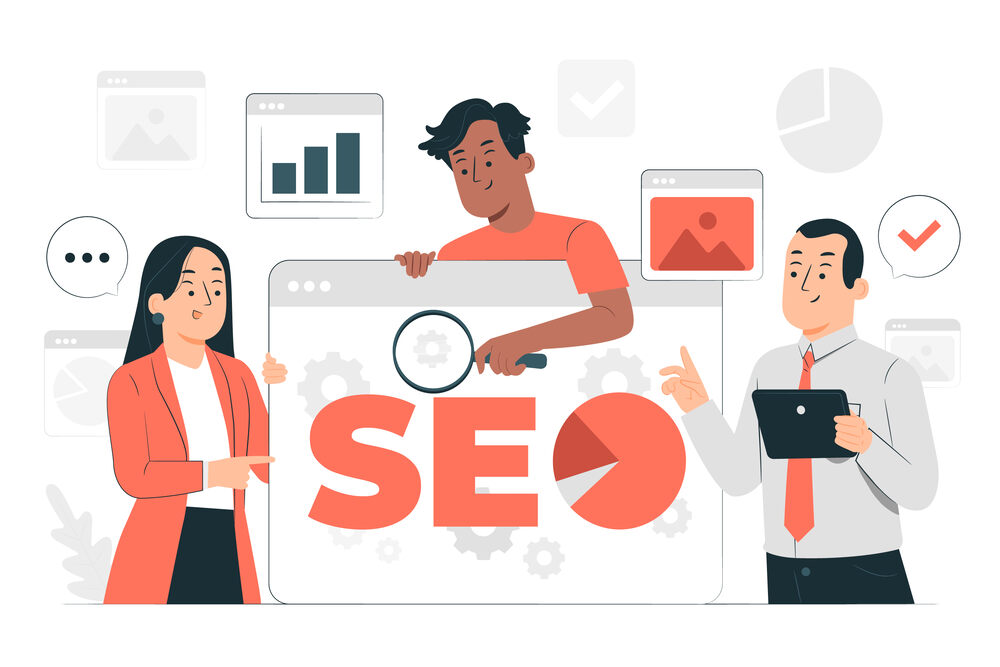
What is SEO, you ask? Well, SEO stands for search engine optimization. It’s the holy grail of digital marketing that can make or break your B2B tech startup.

Today, when attention spans are shorter than a politician’s promise, having a strong online presence is crucial. And that’s where SEO comes into play.

Let me tell you why SEO is like the secret sauce for B2B tech startups. Picture this: you’ve poured your heart and soul into creating an innovative product or service that could revolutionize the industry.

But what good is it if nobody knows about it? That’s where SEO swoops in with its cape and superpowers to generate more leads than a sleazy salesman at a used car dealership.

B2B tech startups need to be seen by the right people at the right time. And that’s exactly what search engine optimization does – it puts your website smack in front of potential clients actively searching for what you have to offer.

It’s like having a magic wand that attracts organic traffic to your virtual doorstep. But wait, there’s more!

SEO brings more eyeballs to your website and helps you climb those coveted search engine rankings. Imagine this: when someone searches for “cutting-edge AI solutions,” wouldn’t it be amazing if your startup appeared on the first page of the results?

You’d be swimming in leads and drowning in success! To achieve such greatness, my dear reader, one must dive deep into keyword research and strategic content marketing.

You need to uncover those hidden gems of keywords that potential clients are using in their searches and create compelling content around them. This will boost your website ranking and establish you as an authority in the B2B tech field.

Now let me drop another truth bomb on you – backlinks are like gold nuggets scattered across the vast expanse of the internet. These little treasures are hyperlinks from other websites that point to yours, increasing your website’s credibility and trustworthiness in the eyes of search engines.

Don’t hesitate to reach out to industry influencers and bloggers who can sprinkle some backlink magic on your SEO strategy. In a nutshell, SEO is the lifeline of B2B tech startups.

It’s a digital marketing strategy that can take your business from zero to hero in no time. So, roll up your sleeves, my friend, and start optimizing your website for SEO because the world needs to know about your ingenious creations!

The Benefits of SEO for B2B Tech Startups

Every advantage counts in the fast-paced and competitive world of B2B tech startups. And when it comes to online visibility and generating leads, there is no tool more powerful than SEO.

Let’s delve into the benefits that SEO brings to the table for B2B tech startups and why it should be an integral part of their digital marketing strategy. First and foremost, SEO has the remarkable ability to boost website ranking on search engine results pages (SERPs).

When potential clients search for relevant keywords related to your business, you want your website to appear at the top of those results. By strategically optimizing your website’s content using targeted keywords, you can significantly improve its visibility and increase organic traffic.

This means that instead of relying solely on paid advertisements or referrals, your business will attract potential customers actively searching for your solutions. Furthermore, SEO directly contributes to lead generation for B2B tech startups.

With proper keyword research and implementation, your website can attract high-quality prospects genuinely interested in your offer. These prospects are more likely to convert into paying customers since they actively search for solutions that align with your products or services.

By incorporating content marketing strategies within your SEO efforts, such as creating valuable blog posts or informative videos around relevant industry topics, you can establish yourself as a thought leader while attracting potential clients organically. Additionally, backlinks play a vital role in boosting organic traffic through SEO.

B2B tech startup

When reputable websites in the same industry link back to your content or website pages, it signals authority and trustworthiness to search engines like Google. This improves your website’s credibility and increases its chances of appearing higher in SERPs rankings.

Investing time and resources into SEO is a no-brainer for B2B tech startups looking to thrive in today’s digital landscape. The benefits are clear: improved website ranking leading to greater visibility and organic traffic flow, enhanced lead generation by capturing high-quality prospects actively searching for solutions, and the potential to establish your brand as an industry authority through content marketing and backlinks.

So, if you want your startup to stand out from the competition and attract valuable clients, incorporating SEO into your digital marketing strategy is an absolute must. Take advantage of the abundant opportunities that SEO can bring to your B2B tech startup.

How to Optimize Your Website for SEO

When optimizing your website for SEO, there are several key strategies that B2B tech startups should implement to boost their online presence and drive organic traffic. One of the first steps is conducting thorough keyword research. You can strategically incorporate these terms into your website’s content by identifying relevant keywords and phrases that potential clients might use when searching for products or services in your industry.

Content marketing is crucial in improving website ranking and attracting organic traffic. Creating high-quality, informative content that showcases your expertise establishes credibility and enhances your visibility on search engine result pages.

Content marketing for SEO involves crafting blog posts, articles, case studies, and whitepapers that align with the interests of your target audience while incorporating relevant keywords naturally. Another essential aspect of optimizing your website for SEO is building backlinks.

Backlinks act as a vote of confidence from other reputable websites, demonstrating to search engines that your site is trustworthy and valuable. Developing a solid network of backlinks can significantly impact your search engine rankings and lead generation efforts.

Actively seek opportunities to collaborate with industry influencers or experts who can link to your website from their authoritative platforms. Tracking SEO progress is vital to determine the effectiveness of your optimization strategies.

Optimize Your Website for SEO

Utilize tools such as Google Analytics to monitor metrics like organic traffic, bounce rate, conversion rate, and keyword rankings over time. By analyzing this data regularly, you can identify areas for improvement and make informed decisions about future optimization efforts.

Optimizing your B2B tech startup’s website for SEO requires a well-rounded approach encompassing thorough keyword research, content marketing initiatives, strategic backlink building, and continuous tracking of progress using analytics tools. By implementing these strategies consistently and staying up-to-date with best practices in search engine optimization, you can generate more leads from organic traffic while establishing a solid online presence in the competitive landscape of B2B tech startups.

Tracking Your SEO Progress

Once you’ve implemented the necessary optimizations on your B2B tech startup’s website, it’s time to track your SEO progress. This step is crucial for determining if your efforts are paying off and identifying areas for improvement.

One of the key metrics to keep an eye on is organic traffic, which refers to the number of visitors coming to your website through search engines. By analyzing this data, you can gain valuable insights into the effectiveness of your SEO strategy and make informed decisions moving forward.

To successfully track your SEO progress, it’s essential to dive deep into keyword research. By identifying the keywords that are driving traffic to your website, you can better understand what potential customers are searching for and optimize your content accordingly.

Tools like Google Analytics and Moz can provide valuable information about keyword rankings, search volume, and competition levels. Armed with this data, you can refine your keyword strategy over time, targeting high-volume keywords that align with the core offerings of your B2B tech startup.

Another aspect of tracking SEO progress is monitoring backlinks. Backlinks play a significant role in improving website ranking as they signal credibility and authority to search engines.

The more high-quality backlinks pointing toward your site from reputable sources within the tech industry, the more likely search engines will view your content as valuable and relevant. Utilize tools such as Ahrefs or SEMrush to keep track of these backlinks and identify opportunities for outreach or collaboration with influencers or industry leaders.

Tracking SEO progress is necessary to ensure that your B2B tech startup reaps the full benefits of search engine optimization. By closely monitoring organic traffic levels, conducting thorough keyword research, and staying on top of backlink acquisition efforts, you can gauge the effectiveness of your strategies while continuously improving them for maximum impact.

Remember that SEO is not a one-time task but an ongoing process that requires dedication and adaptability in the ever-evolving digital landscape. So, embrace the power of data, track your progress, and watch as your website climbs the ranks, generating more leads from organic search results.

SEO importance for startups

Conclusion: Take Action and Start Optimizing Your Website for SEO Today.

The significance of SEO for B2B tech startups cannot be overstated. It is not merely an optional marketing tactic but an absolute necessity in today’s digital landscape.

Neglecting SEO is willingly doom your startup to obscurity and irrelevance amidst the vast sea of online competitors. So, my dear B2B tech startup entrepreneurs, it is time to take action and embrace the power of search engine optimization.

Avoid falling into the trap of thinking that your product or service alone will magically attract customers. Without a well-optimized website, you are essentially shouting into a void, hoping that someone will stumble upon your brilliant offerings.

But let’s be honest; hope is not a strategy. Investing time and resources into SEO can unlock a treasure trove of benefits.

Imagine generating organic traffic that consistently brings qualified leads to your doorstep. Picture your website ranking high on search engine result pages, instilling trust and credibility among potential clients.

Visualize backlinks from reputable industry websites that amplify your online presence and strengthen your authority in the market. With content marketing for SEO at the forefront of your strategy, you can create valuable resources that educate and engage your target audience while establishing yourself as an industry thought leader.

Conducting a thorough keyword research for SEO will uncover hidden opportunities to optimize your website’s content and attract even more relevant traffic. So fellow technopreneurs, be bold in tracking SEO progress diligently.

Monitor key performance indicators such as organic traffic growth, keyword rankings, conversion rates, and bounce rates meticulously to fine-tune your optimization efforts continuously. In this ever-evolving digital ecosystem where competition is fierce and attention spans are fleeting, improving website ranking through effective SEO strategies can pave the way for long-term success in lead generation for B2B tech startups.

Now go forth enthusiastically and commit wholeheartedly to optimizing every aspect of your digital presence for search engines. Embrace the power of SEO, and watch your B2B tech startup flourish, reaching new heights and gaining the recognition it truly deserves.

Unlocking Business Potential with Enterprise Software Development

Enterprise software, also known as enterprise application software (EAS), is a type of software designed specifically for organizations, such as businesses and government institutions, rather than individual users.

These software solutions aim to address the unique needs and challenges faced by large organizations, including managing complex operations, streamlining processes, and facilitating collaboration between departments.

Key characteristics and benefits of enterprise software

The main characteristics of enterprise software include its ability to handle large amounts of data, manage multiple simultaneous users, and integrate with other systems within the organization. Some of the key benefits that enterprise software brings to businesses include:

  1. Improved efficiency: By automating repetitive tasks and streamlining processes, enterprise software helps businesses save time and resources.
  2. Enhanced decision-making: Enterprise software allows organizations to collect, analyze, and visualize data, enabling them to make more informed decisions based on real-time information.
  3. Increased collaboration: As these systems often facilitate communication and collaboration between different departments, they help break down silos and promote a more cohesive work environment.
  4. Greater scalability: Enterprise software is designed to grow with the organization, allowing businesses to easily add new features, users, or modules as needed.
  5. Better customer service: By centralizing customer data and streamlining customer-facing processes, enterprise software can help businesses provide a more seamless and personalized customer experience.

Types of Enterprise Software

Exploring different categories of enterprise software (ERP, CRM, HRM, etc.)

There are several categories of enterprise software, each designed to address specific business needs and functions. Some of the most common types include:

  1. Enterprise Resource Planning (ERP): ERP systems help organizations manage and integrate their core business processes, such as finance, procurement, sales, and inventory management. These systems provide a central repository for data, enabling real-time information sharing and analysis across departments.
  2. Customer Relationship Management (CRM): CRM software focuses on managing an organization’s interactions with its customers, prospects, and leads. By centralizing customer data, CRM systems enable businesses to better understand their customers’ needs, preferences, and behaviors, ultimately helping them improve their marketing, sales, and customer service efforts.
  3. Human Resources Management (HRM): HRM software streamlines the management of an organization’s workforce, including employee recruitment, onboarding, training, performance management, and payroll processing. These systems aim to simplify HR tasks and promote a more efficient and engaged workforce.
  4. Supply Chain Management (SCM): SCM software assists organizations in managing their supply chain operations, from procurement and production to distribution and logistics. By providing greater visibility into the supply chain, these systems help businesses optimize their inventory levels, reduce costs, and improve customer satisfaction.
  5. Business Intelligence (BI) and Analytics: BI and analytics tools enable organizations to collect, analyze, and visualize large volumes of data, facilitating data-driven decision-making. These solutions can help businesses identify trends, uncover insights, and predict future outcomes.
    benefits of custom software development

Examples and functionalities of each type

Here are some examples of popular enterprise software solutions in each category, along with their main functionalities:

  1. ERP: SAP, Oracle, and Microsoft Dynamics offer comprehensive ERP solutions that support various business processes, such as finance, procurement, and inventory management.
  2. CRM: Salesforce, HubSpot, and Zoho CRM are popular CRM platforms that provide features like contact management, lead tracking, and customer segmentation.
  3. HRM: Workday, BambooHR, and ADP offer HRM solutions that streamline tasks like recruitment, onboarding, and payroll processing.
  4. SCM: Tools like Oracle SCM Cloud, Infor Supply Chain Management, and JDA Software help businesses manage their supply chain operations, from procurement to logistics.
  5. BI and Analytics: Tableau, Power BI, and Looker are well-known BI and analytics platforms that enable organizations to analyze and visualize data for better decision-making.

Importance of Enterprise Software in Business

  • Streamlining business processes and operations

One of the primary benefits of enterprise software is its ability to streamline business processes and operations. By automating repetitive tasks and consolidating data from various sources, these systems help organizations save time and resources, ultimately leading to increased efficiency and reduced operational costs.

Enterprise software can help businesses identify bottlenecks, redundancies, and areas for improvement, enabling them to optimize their workflows and drive continuous improvement.

Importance of Enterprise Software

  • Enhancing productivity and efficiency

Enterprise software can have a direct impact on employee productivity and efficiency. By providing employees with easy access to the information they need and automating manual tasks, these systems enable team members to focus on more strategic and value-adding activities. Additionally, enterprise software often includes collaboration and communication tools that foster teamwork and knowledge sharing, further contributing to improved productivity.

  • Enabling data-driven decision-making

In today’s competitive business landscape, making informed decisions based on accurate and up-to-date data is crucial for success. Enterprise software allows organizations to collect, store, and analyze vast amounts of data from various sources, providing valuable insights and facilitating data-driven decision-making.

By leveraging the power of analytics and real-time reporting, businesses can make more informed decisions, identify growth opportunities, and proactively address potential issues.

Key Features and Capabilities of Enterprise Software

  • Scalability and flexibility

As organizations grow and evolve, their software needs may change as well. Enterprise software is designed with scalability and flexibility in mind, allowing businesses to easily add new features, users, or modules as needed. This adaptability ensures that the software can continue to support the organization’s requirements, even as they become more complex or expand in scope.

  • Integration with existing systems

To maximize the benefits of enterprise software, these solutions need to integrate seamlessly with an organization’s existing systems and processes. Many enterprise software platforms offer extensive integration capabilities, enabling businesses to connect their new software with legacy systems, third-party applications, and other data sources.

This integration helps create a cohesive and unified technology ecosystem, reducing the risk of data silos and ensuring that all parts of the organization have access to accurate, up-to-date information.

  • Security and data protection measures

Given the sensitive nature of the data often stored within enterprise software, these systems must prioritize security and data protection. Reputable enterprise software solutions incorporate robust security measures, such as encryption, access controls, and regular vulnerability assessments, to safeguard the organization’s data and protect against potential threats.

Additionally, many enterprise software vendors offer ongoing support and updates to ensure that their systems remain secure and compliant with relevant regulations.

enterprise software development for businesses

Challenges in Enterprise Software Implementation

  • Complexities of customization and configuration

While enterprise software offers numerous benefits, implementing these systems can be a complex and time-consuming process. One of the main challenges businesses face is the need to customize and configure the software to meet their unique requirements.

This often involves adjusting the system’s features, workflows, and user interfaces to align with the organization’s existing processes and preferences. To overcome this challenge, businesses should work closely with their software vendor or implementation partner to ensure that the system is tailored to their specific needs and optimized for maximum efficiency.

  • Change management and user adoption

Introducing new software within an organization often requires significant changes in the way employees work and interact with technology. As a result, change management and user adoption can be significant challenges during the implementation process.

To address these issues, businesses should develop a comprehensive change management plan that includes clear communication, ongoing training, and support for employees throughout the transition. By involving stakeholders and end-users from the beginning, organizations can help ensure a smoother implementation and foster greater acceptance of the new software.

  • Cost Considerations and ROI Analysis

Implementing enterprise software can be a substantial investment, both in terms of upfront costs and ongoing maintenance expenses. As such, it’s crucial for businesses to carefully consider the potential return on investment (ROI) before committing to a particular solution.

This may involve conducting a thorough cost-benefit analysis, comparing different software options, and evaluating the expected improvements in efficiency, productivity, and decision-making that the system will provide. By carefully considering the costs and benefits of enterprise software, businesses can make more informed decisions and ensure they are investing in a solution that will deliver tangible results.

Enterprise Software Implementation

Best Practices for Enterprise Software Adoption

  • Conducting thorough requirements analysis

Before selecting an enterprise software solution, it’s essential to conduct a comprehensive requirements analysis to determine your organization’s specific needs and objectives. This process should involve consulting with stakeholders and end-users from various departments to gain a clear understanding of their pain points, expectations, and desired outcomes.

By identifying your organization’s unique requirements, you can ensure that the chosen software aligns with your business goals and provides the necessary functionality to support your operations.

  • Engaging stakeholders and end-users

To ensure a successful implementation, it’s crucial to involve stakeholders and end-users throughout the entire adoption process. This includes soliciting feedback on potential software options, involving them in the customization and configuration process, and providing opportunities for them to test and provide input on the new system. By actively engaging stakeholders and end-users, you can help foster buy-in and ensure that the software meets the needs of your organization.

  • Providing comprehensive training and support

Proper training and support are critical to ensuring that employees can effectively use and benefit from the new enterprise software. To facilitate a smooth transition, businesses should develop a comprehensive training program that covers the essential features and functionalities of the system, as well as any organization-specific customizations.

Additionally, organizations should provide ongoing support to address any questions or issues that may arise as employees begin using the software. This support may include help desk services, online resources, and regular check-ins to ensure that users feel confident and comfortable with the new system.

Real-World Case Studies of Successful Enterprise Software Implementations

  • Improved efficiency and cost savings through ERP implementation: Cisco Systems

Cisco Systems, a multinational technology conglomerate, faced challenges in managing its complex supply chain and production processes. By implementing a robust ERP system (Oracle Applications), the company was able to centralize and streamline its operations, leading to significant improvements in efficiency and cost savings.

The ERP system enabled real-time visibility into critical data, allowing Cisco to optimize its inventory levels, reduce lead times, and improve order fulfillment. As a result, the organization experienced a substantial increase in customer satisfaction and overall profitability.

  • Enhanced customer relationships and sales performance with CRM software: Salesforce and T-Mobile

T-Mobile, a major telecommunications company, was struggling to manage its growing customer base and deliver personalized experiences to its clients. By adopting Salesforce’s CRM platform, T-Mobile gained a 360-degree view of its customers, enabling it to better understand their preferences, purchase history, and interactions with the brand.

This comprehensive insight allowed the business to create targeted marketing campaigns, improve its sales processes, and provide exceptional customer service. The CRM implementation led to increased customer loyalty, higher conversion rates, and a significant boost in revenue.

  • Streamlined HR processes and improved employee engagement through HRM software: IBM and Workday

IBM, a large multinational corporation, faced challenges in managing its diverse and geographically dispersed workforce. The company implemented Workday’s HRM solution to centralize and automate its HR processes, such as recruitment, onboarding, performance management, and payroll.

This streamlined approach not only reduced administrative burdens but also provided employees with greater transparency and access to information regarding their roles, performance, and development opportunities. As a result, IBM saw an increase in employee engagement, productivity, and retention.

These cases demonstrate the transformative potential of enterprise software in various industries and organizational contexts. By carefully selecting and implementing the right solution, businesses can unlock new levels of efficiency, productivity, and growth.

enterprise software development

The Future of Enterprise Software: Emerging Trends and Technologies

These emerging trends and technologies are shaping the future of enterprise software, offering businesses new opportunities to enhance efficiency, productivity, and competitiveness. 

  • Artificial Intelligence (AI) and Machine Learning (ML)

As AI and ML continue to advance, they are becoming integral components of enterprise software solutions. These technologies enable businesses to automate complex tasks, analyze vast amounts of data, and make more informed decisions.

For example, AI-driven chatbots can enhance customer service by providing instant support and resolving common issues. ML algorithms can also improve supply chain management by predicting demand patterns and optimizing inventory levels.

  • Internet of Things (IoT) Integration

The IoT connects physical devices and sensors to the internet, enabling real-time data collection and analysis. As IoT technology becomes more prevalent, enterprise software systems will increasingly incorporate IoT functionality to provide better insights and control over business operations.

For instance, IoT devices can monitor equipment performance in manufacturing plants, helping companies identify maintenance needs and prevent costly downtime.

  • Blockchain Technology

Blockchain technology offers secure, transparent, and decentralized data storage, which has the potential to revolutionize various aspects of enterprise software. Implementing blockchain in areas such as supply chain management, finance, and contract management can enhance trust and security, reduce fraud, and streamline processes.

Companies like IBM and Walmart have already started exploring the use of blockchain to improve their supply chain operations.

  • Cloud Computing and SaaS

Cloud computing and Software as a Service (SaaS) continue to gain popularity due to their scalability, cost-effectiveness, and ease of implementation. Many businesses are now opting for cloud-based enterprise software solutions to reduce infrastructure costs and access the latest features and updates without the need for significant IT resources.

Additionally, SaaS platforms allow organizations to easily integrate multiple software applications, creating a seamless and unified user experience.

By staying informed and embracing these innovations, organizations can ensure they remain at the cutting edge of their respective industries.

Choosing the Right Enterprise Software: Key Considerations

  • Business Needs and Objectives

Before selecting an enterprise software solution, it is crucial to clearly define your business needs and objectives. Identify the specific challenges you want to address and the desired outcomes you hope to achieve. This will help you prioritize features and functionalities that align with your goals.

  • Scalability and Flexibility

Choose a software solution that can grow and adapt to your business. Ensure that the platform can accommodate changes in workflow, user volume, and data storage requirements as your organization expands and evolves. Opt for solutions that offer modular design and customizable features to enable seamless integration with your existing systems and processes.

  • Ease of Use and User Adoption

User adoption is critical to the success of any software implementation. Select a solution that offers an intuitive interface and user-friendly features to encourage widespread adoption across your organization. Additionally, consider the availability of training resources and support services to facilitate a smooth transition.

  • Security and Compliance

Data security and regulatory compliance should be top priorities when evaluating enterprise software options. Ensure that the solution adheres to industry-specific security standards and provides robust data protection features, such as encryption and access controls. Furthermore, verify that the software complies with relevant regulations, like GDPR or HIPAA.

  • Vendor Reputation and Support

Finally, research the reputation and track record of potential software vendors. Look for companies with a history of successful implementations, positive customer reviews, and strong industry partnerships. Also, evaluate the quality of their customer support services, including response times, availability, and expertise.

Conclusion

By understanding the various types of enterprise software available and staying informed about emerging trends and technologies, organizations can make informed decisions when selecting and implementing the right solutions for their unique needs.

As we have seen through real-world case studies, successful enterprise software implementation can lead to significant benefits and transformative outcomes for businesses. However, it is essential to carefully consider factors such as business objectives, scalability, ease of use, security, and vendor reputation when choosing the right solution.

By following best practices for implementation and continuously measuring success and ROI, organizations can unlock the full potential of their software investments and stay ahead in their respective industries.

Enterprise software is an indispensable tool for modern businesses, and embracing the right solution can pave the way for sustained growth and success.

The Latest Trends in Artificial Intelligence and How It Impacts SaaS Businesses

Artificial Intelligence (AI) and Software as a Service (SaaS) are two of the most transformative technologies in today’s digital landscape. AI, the simulation of human intelligence by machines, has been making waves across various industries, revolutionizing the way we interact with technology and automating tasks that were once exclusively performed by humans.

On the other hand, SaaS, a software licensing and delivery model, has disrupted traditional software distribution by providing cloud-based access to applications, eliminating the need for on-premise installations and costly maintenance.

As these two technological juggernauts continue to evolve and make strides, their paths have started to converge, creating a powerful synergy that is redefining the way SaaS businesses operate.

Artificial Intelligence

By leveraging AI, SaaS companies can not only elevate their offerings but also improve customer experience, streamline operations, and gain a competitive edge in the ever-changing tech landscape.

In this blog post, we will explore the latest trends in Artificial Intelligence and how they are impacting the world of SaaS businesses. From natural language processing and machine learning to AI-driven automation and cybersecurity, we will delve into the innovative ways AI is shaping the future of SaaS and what it means for businesses in this space.

Trend 1: Natural Language Processing (NLP)

Natural Language Processing (NLP) is a subfield of AI that focuses on enabling computers to understand, interpret, and generate human language. It combines techniques from computer science, linguistics, and machine learning to analyze and process text or speech data, making it a powerful tool for various applications.

Common use cases in SaaS businesses

In the context of SaaS businesses, NLP has become increasingly popular as companies recognize its potential to enhance their services and optimize user experience. Some common use cases include:

  1. Chatbots: NLP-powered chatbots can understand and respond to customer queries in a more human-like manner, providing instant support and improving customer satisfaction.
  2. Customer support: NLP can help automate customer support by analyzing user inquiries, categorizing them, and routing them to the appropriate department or agent.
  3. Content creation: AI-driven content generation tools, such as Jasper, utilize NLP to create engaging and relevant content for marketing campaigns, social media posts, and blog articles.

The role of NLP in improving user experience and customer satisfaction

By harnessing the power of NLP, SaaS businesses can greatly improve user experience and customer satisfaction in several ways:

  1. Enhanced communication: NLP allows software applications to better understand user input and respond accordingly, leading to more natural and intuitive interactions.
  2. Streamlined processes: Automating tasks like customer support and content creation using NLP can save time and resources, allowing SaaS businesses to focus on more strategic initiatives.
  3. Personalization: NLP can be used to analyze user behavior and preferences, enabling SaaS companies to deliver personalized content, recommendations, and experiences tailored to individual users.

As the field of NLP continues to advance, its applications in the SaaS industry will only grow more diverse and impactful. By staying current with the latest developments in NLP and integrating them into their services, SaaS businesses can unlock new opportunities for growth and customer engagement.

customer satisfaction

Trend 2: Machine Learning (ML) and Predictive Analytics

Machine Learning (ML), a subset of AI, involves the development of algorithms that enable computers to learn from and make predictions based on data. Predictive analytics, on the other hand, is the process of using data, statistical algorithms, and ML techniques to identify patterns and forecast future outcomes or trends. These two concepts go hand-in-hand, allowing businesses to uncover valuable insights and make data-driven decisions.

How SaaS businesses leverage ML to analyze user behavior and improve their services

SaaS businesses are increasingly using ML and predictive analytics to gain a deeper understanding of their users’ behavior and preferences.

By analyzing vast amounts of data, they can identify patterns and trends that help them enhance their offerings, optimize user experience, and ultimately drive customer retention and growth. Some common applications include:

  1. Customer retention: ML models can predict churn by identifying users at risk of canceling their subscriptions, allowing SaaS companies to take proactive measures to retain them.
  2. Upselling and cross-selling: By analyzing user behavior and purchase history, ML algorithms can recommend relevant products or services to customers, increasing the likelihood of upselling or cross-selling opportunities.
  3. Targeted marketing: SaaS businesses can use ML-driven insights to create personalized marketing campaigns that resonate with specific customer segments, resulting in higher engagement and conversion rates.

Improved Efficiency and Customer Satisfaction in SaaS through AI

Trend 3: AI-driven Automation

Automation has long been a cornerstone of the SaaS industry, helping businesses streamline workflows, reduce costs, and increase efficiency. With the advent of AI, automation capabilities have reached new heights, as machines can now learn from data and perform tasks with minimal human intervention.

Examples of AI-powered automation in SaaS

AI-driven automation is transforming various aspects of SaaS businesses, including:

  1. Automated billing: AI can automate the entire billing process, from invoice generation to payment collection, reducing manual effort and the risk of errors.
  2. Customer onboarding: AI-powered onboarding tools can guide new users through the setup process, provide personalized recommendations based on their needs, and offer real-time support, ensuring a smooth and seamless experience.
  3. Data entry and analysis: AI can automate data entry tasks, freeing up valuable time for employees to focus on more strategic work. Additionally, AI-driven analytics tools can process and analyze large datasets, providing businesses with actionable insights that inform decision-making.

By embracing AI-driven automation, SaaS businesses can not only enhance their services but also gain a competitive advantage in the ever-evolving technology landscape. As AI continues to advance, the potential for automation in the SaaS industry will only grow, unlocking new opportunities for efficiency and innovation.

Trend 4: Personalization and Customization

In today’s competitive digital landscape, personalization and customization have become crucial differentiators for SaaS businesses. Users increasingly expect tailored experiences that cater to their unique needs and preferences, making it essential for companies to adapt and deliver software products that resonate with individual users.

The increasing demand for personalized experiences in software products

A one-size-fits-all approach is no longer sufficient in the world of SaaS. Customers are seeking software solutions that can be customized to their specific requirements, workflows, and goals. This growing demand for personalization stems from several factors:

  1. Higher user expectations: As technology continues to advance, users have become more discerning, expecting software products to be intuitive, easy to use, and tailored to their needs.
  2. Increased competition: With a plethora of SaaS options available in the market, companies need to differentiate themselves by offering personalized experiences that cater to individual users.
  3. Improved customer engagement: Personalized software experiences lead to higher user engagement, satisfaction, and ultimately, customer loyalty and retention.

How AI is enabling SaaS businesses to deliver tailored solutions for individual users

AI plays a pivotal role in enabling SaaS businesses to deliver tailored solutions for individual users. By harnessing the power of AI, companies can gain valuable insights into their customers’ preferences, needs, and pain points through AI-driven analytics tools that track and analyze user behavior patterns.

With this information, SaaS businesses can segment their users based on various criteria, such as demographics, usage patterns, or industry verticals, allowing them to better understand and cater to their unique needs.

Armed with a deeper understanding of their users, companies can leverage AI to deliver personalized content, product recommendations, and targeted marketing campaigns, ensuring a tailored experience that resonates with each user segment and drives customer satisfaction and loyalty.

Case studies of SaaS companies successfully implementing personalization strategies

Several SaaS companies have embraced AI-driven personalization and customization, reaping the benefits of increased customer satisfaction and loyalty. Some notable examples include:

  1. Netflix: The popular streaming service uses AI to analyze user viewing habits and preferences, enabling them to deliver personalized content recommendations and create a tailored viewing experience for each subscriber.
  2. Salesforce: The CRM giant employs AI-driven analytics to help businesses better understand their customers, allowing them to deliver personalized sales, marketing, and customer support experiences.
  3. Spotify: The music streaming platform leverages AI to analyze users’ listening habits, enabling them to provide personalized playlists and song recommendations that cater to individual tastes.

By staying current with the latest advancements in AI and integrating them into their personalization strategies, SaaS businesses can unlock new opportunities for growth and customer engagement in an increasingly competitive market.

Trend 5: AI-Powered Cybersecurity

As SaaS businesses continue to grow and store vast amounts of sensitive data, the need for robust cybersecurity measures becomes increasingly crucial. AI-powered cybersecurity solutions are emerging as a powerful tool to help protect businesses from potential threats, ensuring the safety and security of their digital assets.

quality of cms developer

The growing importance of cybersecurity in the SaaS industry

The increasing reliance on cloud-based services has made SaaS businesses an attractive target for cybercriminals. Consequently, ensuring the security of customer data and maintaining trust is of paramount importance. The key factors driving the need for advanced cybersecurity measures in the SaaS industry include:

  1. Rising cyber threats: The growing number and sophistication of cyberattacks call for more advanced security measures to protect SaaS businesses and their users.
  2. Compliance requirements: Strict data protection regulations, such as GDPR and HIPAA, necessitate robust security practices to avoid hefty fines and reputational damage.
  3. Customer trust: Ensuring the security of user data is vital for maintaining customer trust and loyalty, which is essential for the long-term success of any SaaS business.

How AI is revolutionizing cybersecurity in the SaaS Industry

AI is transforming the way SaaS businesses approach cybersecurity by offering advanced solutions that can proactively identify, analyze, and respond to threats. Some of the ways AI is enhancing cybersecurity include:

  1. Threat detection: AI-powered security tools can analyze large volumes of data to identify patterns and anomalies, helping organizations detect potential threats before they cause harm.
  2. Incident response: AI-driven cybersecurity solutions can quickly and efficiently respond to security incidents, minimizing the impact and reducing the time it takes to recover.
  3. Predictive analytics: By leveraging machine learning algorithms, AI can predict potential vulnerabilities and future cyberattacks, enabling businesses to take preemptive measures to strengthen their security posture.

Trend 6: AI-Integrated Customer Relationship Management (CRM)

Customer Relationship Management (CRM) is a vital component of any successful SaaS business, as it helps companies manage customer interactions, streamline processes, and improve relationships. By integrating AI into CRM systems, businesses can unlock new levels of efficiency, personalization, and data-driven decision-making.

The benefits of AI-powered CRM for SaaS businesses

AI-driven CRM solutions offer a range of advantages for SaaS businesses, including:

  1. Enhanced customer insights: AI can analyze vast amounts of customer data, providing businesses with valuable insights that inform targeted marketing campaigns, sales strategies, and product development.
  2. Improved customer service: AI-powered chatbots and virtual assistants can provide instant, personalized support to customers, reducing response times and improving overall satisfaction.
  3. Sales optimization: AI-driven CRM tools can analyze sales data and identify patterns, helping sales teams prioritize leads, optimize their sales processes, and close deals more effectively.

Examples of SaaS companies utilizing AI-integrated CRM solutions

Many SaaS companies have recognized the benefits of AI-integrated CRM solutions and are leveraging them to improve customer relations and drive growth. Some notable examples include:

  1. HubSpot: HubSpot’s CRM platform utilizes AI to help businesses better understand their customers, automate marketing tasks, and enhance sales processes.
  2. Zoho CRM: Zoho’s AI-powered CRM solution, Zia, offers intelligent insights, predictions, and recommendations to help businesses make smarter decisions and improve customer engagement.
  3. Microsoft Dynamics 365: Microsoft’s Dynamics 365 CRM suite incorporates AI to deliver personalized customer experiences, streamline workflows, and optimize sales and marketing efforts.

As AI continues to advance, its applications in cybersecurity and CRM will become increasingly significant for SaaS businesses. By staying current with the latest developments and integrating AI-driven solutions into their operations, companies can enhance their security posture, improve customer relationships, and gain a competitive edge in the rapidly evolving SaaS landscape.

Conclusion

In conclusion, the integration of AI into various aspects of SaaS businesses is revolutionizing the industry and opening up new opportunities for growth, efficiency, and customer satisfaction.

Key trends such as Natural Language Processing, Machine Learning, AI-driven automation, personalization, AI-powered cybersecurity, and AI-integrated CRM solutions are shaping the future of SaaS, enabling companies to deliver more tailored, secure, and efficient services to their users.

As technology continues to advance, it is crucial for SaaS businesses to stay current with the latest developments in AI and leverage these innovations to enhance their offerings and maintain a competitive edge in the market.

By embracing AI-driven solutions and strategies, SaaS companies can not only improve their operations but also create a more engaging, personalized, and secure experience for their customers, ultimately driving long-term success and growth in an increasingly competitive digital landscape.


What Is SaaS Marketing? A 2023 SaaS Marketing Guide

SaaS marketing is one of the most powerful tools available to businesses in 2023. With a focus on driving customer acquisition and engagement, SaaS marketing offers a wide range of opportunities for companies looking to increase their sales and revenue.

In this guide, we’ll take a look at the basics of SaaS marketing, as well as some of the latest trends and strategies that can be used in order to make sure your company gets maximum visibility online. We’ll also discuss valuable resources that can help you ensure success with SaaS marketing campaigns. So let’s get started!

What Is SaaS Marketing and Why Is It Important in 2023

SaaS marketing, or software as a service marketing, is the practice of promoting and selling cloud-based software subscriptions through a variety of digital marketing channels. This form of marketing has become increasingly important in 2023 due to the significant rise in demand for cloud-based software as businesses look to modernize their operations and take advantage of digital transformation.

One key reason why SaaS marketing is so important in 2023 is the global shift towards remote working. With more and more employees working from home, businesses are embracing cloud-based software solutions that can be accessed from anywhere, at any time.

This has created a huge opportunity for SaaS companies to capture new customers who are seeking digital solutions to improve their productivity and efficiency. Another important factor driving the growth of SaaS marketing in 2023 is the explosion of data.

Business data has become increasingly important in recent years, and companies are relying on software solutions to help them manage, analyze, and make sense of the vast amounts of data they generate every day. SaaS companies that can provide powerful, user-friendly software solutions that help businesses harness the power of data are well-positioned to capitalize on this trend.

Furthermore, the rise of artificial intelligence (AI) and machine learning (ML) is also driving the growth of SaaS marketing in 2023. Many businesses are looking for software solutions that can automate repetitive tasks and provide predictive analytics to help them make data-driven decisions.

SaaS companies that can provide powerful AI and ML solutions are likely to see significant growth in the coming years. SaaS marketing is a crucial aspect of any business looking to succeed in 2023. With the rise of remote working, the explosion of data, and the growth of AI and ML, SaaS companies that can provide innovative, user-friendly solutions are well-positioned to capture new customers and drive growth.

By understanding the latest trends and strategies, businesses can effectively leverage SaaS marketing to maximize their online visibility and stay ahead of the competition.

Setting Up Effective SaaS Marketing Campaigns

Setting up an effective SaaS marketing campaign is crucial to drive customer acquisition and engagement. The first step is to identify the target audience and create buyer personas that represent their needs, preferences, and pain points.

This will help businesses create targeted campaigns that resonate with their potential customers. The next step is to create a robust marketing strategy that includes a mix of digital marketing channels such as social media, email marketing, content marketing, search engine optimization (SEO), and paid advertising.

Each channel has its unique advantages and must be used strategically to create a cohesive marketing plan. For example, social media is great for building brand awareness and engaging with customers, while email marketing is ideal for nurturing leads and driving conversions.

In addition, businesses should leverage automation tools to streamline their marketing efforts, save time, and improve efficiency. Automation can be used to schedule social media posts, send personalized emails, and create targeted advertising campaigns.

This not only reduces the workload but also ensures consistency across all marketing channels. Another key factor in setting up effective SaaS marketing campaigns is to focus on creating value-based content that educates and informs potential customers.

Content should be tailored to the needs of the target audience and must provide solutions to their pain points. This not only positions the business as an industry leader but also builds trust with potential customers.

Finally, businesses must monitor and measure the success of their SaaS marketing campaigns using key performance indicators (KPIs) such as website traffic, lead generation, conversion rates, and customer retention.

This data can be used to optimize future campaigns to improve ROI and achieve better results. Setting up an effective SaaS marketing campaign requires careful planning, targeting, and execution.

By leveraging digital marketing channels, automation tools, and valuable content, businesses can increase their online visibility and reach out to their target audience. With proper monitoring and optimization, SaaS marketing campaigns can drive customer acquisition, engagement, and revenue growth in 2023 and beyond.

SaaS marketing guide for 2023

Strategies for Driving Sales Leads with SaaS Marketing

Effective SaaS marketing campaigns not only focus on building brand awareness and engagement but also generate sales leads that can be converted into paying customers. Businesses must develop strategies that drive sales leads while keeping in mind the unique needs and preferences of their target audience.

Create targeted landing pages

One effective strategy for driving sales leads with SaaS marketing is to create targeted landing pages that engage potential customers and encourage them to take action. Landing pages should be tailored to the specific needs and pain points of the target audience, and offer clear value propositions and calls to action.

For example, businesses can offer free trials, demos, or consultations to entice potential customers to sign up and learn more about their products and services.

Leverage email marketing

Another effective strategy is to leverage email marketing to nurture leads and move them through the sales funnel. Businesses can use automation tools to send personalized emails to potential customers based on their behavior and interests.

These emails can provide valuable content such as case studies, whitepapers, and success stories that showcase the benefits and results of using the business’s products and services.

Utilize social media Channels

Businesses can also drive sales leads by utilizing social media channels such as LinkedIn, Twitter, and Facebook. Social media allows businesses to engage with potential customers and build relationships by sharing valuable content, responding to questions and comments, and participating in industry discussions.

Social media can also be used to promote special offers, discounts, and promotions that encourage potential customers to take action and sign up for the business’s products and services.

Sales Leads

Leverage content marketing

Businesses can leverage content marketing to drive sales leads by creating in-depth, value-based content that educates and informs potential customers. Content can take various forms such as blog posts, ebooks, webinars, and podcasts. By providing valuable insights and solutions to their pain points, businesses can position themselves as industry leaders and build trust with potential customers.

Measure Results

Finally, businesses must measure and analyze the success of their sales lead generation strategies using key performance indicators such as conversion rates, cost per acquisition, and lifetime value of customers. This data can be used to optimize and refine future campaigns to drive even greater sales leads and revenue growth.

Driving sales leads with SaaS marketing requires a holistic approach that leverages various strategies and tools. By creating targeted landing pages, nurturing leads with email marketing, using social media channels, and providing value-based content, businesses can effectively generate sales leads and convert them into paying customers.

Creating Engaging Content to Maximize Visibility: The Key to SaaS Marketing Success

One essential component of effective SaaS marketing is engaging content that maximizes visibility and sets businesses apart from their competition. In 2023, businesses must develop content strategies that resonate with their target audience and provide unique value propositions that inspire action.

By understanding the latest trends and strategies in content marketing, businesses can develop impactful content that drives brand awareness, engagement, and revenue growth.

Understanding the Latest Trends in Content Marketing

Creating engaging content in 2023 requires a deep understanding of the latest trends in content marketing. First, businesses must focus on providing value-based content that educates and informs potential customers about their products and services.

Content should help potential customers solve a problem, answer a question, or learn something new about the industry. Moreover, businesses must tailor their content to their target audience’s preferences and interests.

For example, businesses can utilize interactive content such as quizzes, surveys, and assessments to increase engagement and gather valuable feedback. Additionally, businesses can leverage video content, including explainer videos, product demos, webinars, and live streams, to showcase their products and services in action.

Another trend to consider is user-generated content, which involves customers generating content for businesses, such as reviews, testimonials, and social media posts. User-generated content not only increases engagement with potential customers but also creates a sense of authenticity and trust. It highlights customer satisfaction and can lead to additional sales leads.

Content Marketing

Developing Effective Content for Maximum Visibility

To maximize visibility, businesses must develop effective content that aligns with their SaaS marketing goals. First, businesses must conduct thorough research to identify their target audience’s pain points, preferences, and interests.

By doing so, businesses can create highly relevant and engaging content that resonates with potential customers. Next, businesses must focus on creating attention-grabbing headlines that accurately encapsulate the content’s message.

Headlines are the first thing potential customers see, and they can make or break the content’s success. By crafting headlines that are highly relevant to the target audience’s pain points and interests, businesses can increase the chances of engaging and attracting potential customers.

Additionally, businesses must focus on creating in-depth and well-researched content that provides unique value propositions to potential customers. This means going beyond what competitors offer and delivering content tailored to the specific needs of potential customers. By doing so, businesses can create a competitive advantage and position themselves as industry leaders.

Maximizing growth in the SaaS industry

Resources to Help Ensure Success with SaaS Marketing

SaaS marketing is a highly competitive industry, with businesses constantly searching for ways to gain a competitive edge in their digital marketing campaigns. To reach their target audience effectively, businesses must consistently create engaging content that resonates with their clients.

This requires utilizing resources that can help streamline and automate the content creation and distribution process. One of the most valuable resources for SaaS marketers is a comprehensive marketing automation tool.

A marketing automation tool, such as Marketo, provides a suite of tools that can help with lead scoring, campaign management, email marketing, and social media management. These tools can help businesses streamline their marketing processes, reducing the amount of time and resources required to create and manage marketing campaigns.

Another valuable resource for SaaS marketers is marketing research tools. These tools enable businesses to conduct market research, analyze competitors, and identify new market opportunities. By understanding the market and the competition, businesses can create highly targeted marketing campaigns that resonate with potential customers.

Moreover, businesses can utilize website analytics platforms to help monitor and analyze website traffic, conversions, and user behavior. This enables businesses to identify areas of improvement and optimize their websites to increase user engagement and lead generation. Popular website analytics platforms include Google Analytics and Adobe Analytics.

In addition to the above resources, businesses can also leverage content creation tools to help streamline content creation and distribution. For example, tools such as Canva and Piktochart can help businesses create high-quality visual content, while Hootsuite and Buffer can help with social media scheduling and management.

Finally, businesses can also utilize freelance writing services to help create high-quality content for their digital marketing campaigns. Hiring freelance writers not only saves time but also ensures that businesses have access to a wide range of writing styles and expertise.

In conclusion, resources such as marketing automation tools, marketing research tools, website analytics platforms, content creation tools, and freelance writing services can help ensure success in SaaS marketing. By utilizing these resources effectively, businesses can create highly targeted marketing campaigns that resonate with potential customers and drive revenue growth.

Wrapping Up – The Future of SaaS Marketing in 2023

As we head towards 2023, the future of SaaS marketing looks bright. With the increasing adoption of cloud-based technologies, businesses are rapidly moving towards SaaS applications, making SaaS marketing one of the most sought-after digital marketing strategies.

Advancements in artificial intelligence (AI) and machine learning (ML) have revolutionized SaaS marketing in recent years, with businesses adopting these technologies to create advanced marketing campaigns that can better identify and target potential customers.

Additionally, the increasing use of chatbots in customer service has enhanced customer experiences by providing instant and personalized responses to queries, thus boosting engagement and sales. One of the key trends in SaaS marketing that businesses are likely to experience in 2023 is a shift toward account-based marketing (ABM).

ABM helps businesses identify and target high-value customers with personalized marketing campaigns that cater to their unique needs and characteristics. This strategy has a high conversion rate and also fosters long-term customer relationships, resulting in better customer retention rates and increased revenue.

Moreover, in 2023, businesses are expected to allocate a higher budget towards video marketing as it continues to dominate the digital marketing landscape. With the increasing popularity of video content among consumers, businesses can leverage this trend to create engaging videos that educate their potential customers about their products or services.

Another trend that is likely to shape the future of SaaS marketing is the increasing adoption of augmented reality (AR) and virtual reality (VR) technologies.

AR and VR enable businesses to create interactive and immersive experiences for their target audience, resulting in higher engagement and better brand recall. This technology is likely to become more accessible and affordable in the coming years, making it a valuable tool for businesses of all sizes.

In conclusion, SaaS marketing is poised to be one of the most effective digital marketing strategies in 2023. With the adoption of advanced technologies, the future of SaaS marketing looks bright, offering businesses innovative ways to reach and engage their target audience.

To stay competitive in the SaaS industry, businesses must continue to invest in advanced marketing strategies and leverage the latest trends and technologies to create personalized, engaging marketing campaigns that resonate with their audience.

Best Marketing Software For Small Businesses

As a small business owner, you know how challenging it can be to manage a business and do marketing simultaneously. That’s where marketing software comes in handy. In this post, we’ll explore some of the best marketing software options for small businesses, factors to consider when choosing the right software, and the cost-effectiveness of each option.

What is Marketing Software for Small Businesses?

Marketing software for small businesses refers to any digital marketing tool designed and crafted explicitly for small businesses’ marketing needs. These tools are designed to automate, streamline and optimize key digital marketing practices to help small business owners get the most out of their marketing efforts.

Key Features to Look for When Selecting Marketing Software

When considering what marketing software to use for your small business, here are some essential features to consider:

1. Ease of Use

One of the most important features to consider when selecting marketing software is its ease of use. A complicated software interface can make it difficult to navigate and use effectively, which can lead to wasted time and resources. Look for a software platform that has a user-friendly interface that is easy to navigate and understand.

2. Integration with Existing Tools

It’s important to consider how well your chosen marketing software integrates with your existing tools, such as your CRM or content management system. The more seamlessly the software can integrate with your existing tools, the fewer disruptions you’ll have in your marketing processes. Ensure that the marketing software you choose can integrate with the tools you are using or plan to use in the future.

3. Email Marketing Automation

Email marketing is a powerful tool for generating and nurturing leads. Marketing software should have features that allow for email marketing automation, such as triggered campaigns, personalized content, and email tracking. The software should also support the segmentation of your audience for targeted campaigns.

4. Social Media Management

Social media is another critical aspect of modern marketing. Marketing software should have comprehensive tools for social media management, including scheduling, monitoring, and reporting on social media activity. Look for platforms with a wide range of integrations for different social media platforms.

5. SEO Optimization

Ranking highly in search engine results is vital for driving traffic and leads to your website. Therefore, it’s essential to choose marketing software that includes tools for SEO optimization, including keyword tracking, on-page optimization suggestions, and competitor analysis.

6. Analytics and Reporting

Analytics and reporting should be an essential feature of any marketing software. The software should provide in-depth reporting on key metrics such as lead generation, conversion rates, and ROI. With detailed analytics, you can make data-driven decisions on the effectiveness of your marketing campaigns.

Small business marketing software solutions

7. Landing Pages and Lead Forms

Landing pages that are optimized for conversions and lead forms that capture contact information from potential leads are critical components of any marketing campaign. Look for marketing software that includes features for creating and testing landing pages and lead forms to maximize conversion rates.

8. CRM and Lead Tracking

Finally, effective lead management is essential for guiding potential customers through the buying cycle. Marketing software should allow for the seamless integration of leads into your CRM system and should provide tools for tracking leads through the sales funnel so that sales and marketing teams can work collaboratively to close more deals.

When selecting marketing software for your business, carefully consider which features are most important to your business’s unique needs and goals. By focusing on these key features, you’ll be able to find a software solution that meets all of your marketing needs.

Advantages of Using Marketing Software for Small Businesses

There are several advantages of using marketing software for small businesses, including:

1. Saves Time and Money

Marketing software automates repetitive tasks, which saves businesses both time and money. With software doing much of the heavy lifting, employees can focus on other essential business tasks.

2. Improves Efficiency

Marketing software streamlines processes reduces human error, and ensures accuracy. This ultimately leads to improved efficiency and better results.

3. Provides Insights

Marketing software provides businesses with valuable insights into their customers, such as email open rates, click-through rates, and user behavior on their websites. This information helps businesses make data-driven decisions about their marketing strategies.

4. Enhances Customer Relationship Management (CRM)

Marketing software comes with built-in CRM features, allowing businesses to manage customer interactions effectively. This ultimately leads to better customer service and satisfaction.

Benefits of Using Customer Relationship Management (CRM) Systems

As mentioned earlier, marketing software comes with built-in CRM features. But what exactly are the benefits of using a CRM system? Let’s take a look:

1. Improves Customer Service

A CRM system allows businesses to track customer interactions effectively. This information can help businesses provide better customer service by identifying customer needs and addressing them accordingly.

2. Boosts Sales

CRM systems provide businesses with valuable insights into their customers’ needs and pain points. Armed with this information, businesses can create targeted marketing campaigns that are more likely to convert leads into sales.

3. Increases Efficiency

CRM systems automate various sales tasks, such as lead management, follow-ups, and data entry. This ultimately leads to improved efficiency and better results.

4. Enhances Collaboration

CRM systems allow teams to work more efficiently by providing a centralized database that everyone can access. This promotes collaboration and ensures that everyone is on the same page.

Marketing software for SMBs

Various Marketing Software Options and Their Pros and Cons

1. HubSpot Marketing Hub

HubSpot is one of the most popular marketing software for small businesses available in the market. The Marketing Hub offers SEO, email marketing, analytics, social media management, and marketing automation. Additionally, it’s user-friendly and comes with a transparent pricing model.

HubSpot Marketing Hub

Pros:
  • Offers a range of features, including SEO, email marketing, analytics, social media management, and marketing automation.
  • User-friendly and has a transparent pricing model.
Cons:
  • Quite expensive for small businesses just starting.

2. Mailchimp

Mailchimp is another popular marketing software that helps small businesses automate email campaigns, landing pages, ad campaigns, and even postcards. Their pricing is based on your mailing list and offers a free plan under 2,000 subscribers. Additionally, they have a user-friendly interface and offer users a way to create email templates.

Pros:
  • Great for automating email campaigns and landing pages.
  • User-friendly interface and offers users the ability to create email templates.
  • Offers a free plan for up to 2,000 subscribers.
Cons:
  • Limited ability to customize email designs.

3. Hootsuite

Hootsuite is a leading social media management platform that provides businesses with the ability to manage social media presence across various platforms. The software allows you to schedule and publish posts, track your analytics, and monitor your brand reputation. It’s easy to use and offers various price points based on the features you need.

Pros:
  • A leading social media management platform with the ability to manage businesses’ social media presence across various platforms.
  • Easy to use and offers various price points based on the features you need.
Cons:
  • Can become expensive if you need higher-tier features.

4. Google Analytics

Google Analytics provides businesses with insights into their website traffic, user behavior, and conversions. It’s user-friendly and provides robust data that helps you optimize your website and marketing strategies. The best part is that it’s free, making it a great option for small businesses on a tight budget.

Pros:
  • Provides businesses with valuable insights into their website traffic, user behavior, and conversions.
  • It’s free and user-friendly.
Cons:
  • May be overwhelming for beginner users.

5. Canva

Canva is a graphic design software that allows small businesses to create beautiful designs and graphics without the need for design experience. Canva offers hundreds of templates, shapes, and fonts for users to choose from. Additionally, it allows you to create presentations, flyers, and even book covers.

Pros:
  • A graphic design software that allows small businesses to create professional-looking graphics without the need for design experience.
  • Offers a range of templates, shapes, and fonts to choose from.
Cons:
  • Limited customization options.

Why Each Option Could Be a Good Fit for Different Types of Businesses?

  • HubSpot Marketing Hub: This software is suitable for small businesses looking to manage all aspects of their marketing efforts from one platform and is willing to invest money for quality services.
  • Mailchimp: Great for small businesses focused on email marketing.
  • Hootsuite: Made for small businesses that prioritize social media presence management.
  • Google Analytics: Good for small businesses that are focusing on their website optimization.
  • Canva: Ideal for small businesses that need professional graphic designs done quickly and easily.

Analyze Cost Effectiveness of Each Option

For cost-effectiveness, Mailchimp and Google Analytics are the best options as they are free or have a low-cost plan. Canva is reasonably priced, and Hootsuite and HubSpot offer higher price tiers, but are worth the investment for small businesses to streamline their marketing efforts.

Top-rated software for small business marketing

Tips for Choosing the Right Marketing Software for Your Company

Choosing the right marketing software for your company is crucial to ensuring your marketing campaigns are successful. Here are a few tips to keep in mind when selecting marketing software:

1. Determine Your Needs

Before selecting marketing software, it’s essential to determine your business’s specific marketing needs. What are you looking to achieve with your marketing campaigns? Which marketing channels do you want to focus on?

2. Consider Ease of Use

Choose marketing software that is easy to use and has an intuitive interface. Otherwise, your team may struggle to use it effectively, leading to inefficiencies and subpar results.

3. Look for Integration Capabilities

Choose marketing software that can integrate with other tools and software your business uses. This will help streamline your workflow and ensure everyone is working with the same data.

4. Check for Customer Support

Choose marketing software that offers excellent customer support. This will ensure that any issues you may encounter can be resolved quickly and efficiently.

How to Get Started with Marketing Software Quickly and Easily

Getting started with marketing software is easy. Follow these simple steps to get started:

1. Determine Your Goals

Before using marketing software, you must determine your marketing goals. What do you want to achieve? Do you want to increase website traffic, generate leads, or boost sales? Knowing your goals will help you select the right software and create effective marketing campaigns.

2. Choose the Right Software

Select marketing software based on your goals and needs, as we discussed earlier. Make sure you choose software that will help you achieve your goals and has the features you need to create successful campaigns.

3. Set Up Your Account

Once you have selected your marketing software, set up your account. Follow the software’s instructions to sign up, choose a pricing plan, and connect your other business tools if necessary.

4. Create Your First Campaign

With your account set up, create your first marketing campaign. Start with a small campaign to get familiar with the software and how it works. Analyze the results and fine-tune your campaign for better results.

Marketing Software

5. Track Your Results

Track the results of your marketing campaigns using the software’s analytics tools. This will help you make data-driven decisions and improve your marketing strategy.

Important Takeaways

Marketing software is an efficient and effective way for small businesses to manage their marketing efforts. When selecting marketing software, ensure you consider your business needs and affordability. Finally, test different software options before committing to a paid plan to decide on the best option for you.

10 Best ABM Tools for Account Based Marketing in 2023

Account Based Marketing (ABM) is a powerful approach to B2B marketing that has become increasingly popular in recent years. ABM allows businesses to identify target accounts and create personalized campaigns to engage with decision-makers and key stakeholders.

With the growth of ABM, there has been a corresponding rise in the number of ABM tools available on the market. In this article, we will highlight 10 of the best ABM tools for 2023 and provide some tips on how to choose the right tool for your business.

Account-Based Marketing and ABM Tools

Account Based Marketing (ABM) is a personalized, targeted approach to marketing that focuses on identifying high-value accounts and creating customized marketing strategies for them.

This approach can help businesses build stronger relationships with their customers, generate higher ROI, and ensure overall sales and marketing alignment. To facilitate this process, a variety of ABM tools have emerged, offering unique features and capabilities to streamline and optimize account-based marketing activities.

What Makes a Great ABM Tool

An effective ABM tool aims to deepen your engagement with the target accounts throughout their buying journey. In order to accomplish this goal, the tool should offer account identification and prioritization features. This will enable you to focus on the accounts that matter most to you.

Providing personalized content and the ability to customize messaging is another important feature that a good ABM tool offers. Personalization helps you establish a deeper connection with your target accounts while customizing your messaging ensures that your message is delivered in the language and tone that resonates with each target account.

Beyond personalized content, multi-channel targeting is also imperative in maximizing the touchpoints with your target accounts. The most effective way to communicate isn’t a one-size-fits-all methodology, and different individuals respond differently to different mediums. Whether it be email, social media, phone, or other platforms, an ABM tool must be adept at targeting across multiple channels.

Real-time data analytics is an invaluable feature that allows you to make quick decisions as your marketing activities progress. As well as providing insights into performance metrics, a good ABM tool should integrate with your existing CRM, ensuring that all the data captured on users is seamlessly connected to improve visibility into the customer journey.

Finally, scalability and ease of use should not be neglected. A good ABM tool should be easily customizable to your business needs and simple to train users on. This ensures that your time is better focused on engaging with your potential customers.

10 of the Best ABM Tools for 2023

These are some of the top account-based marketing tools available, but there are many other great tools as well. The effectiveness of each tool may depend on your specific needs and goals, so it’s important to research and evaluate different options to find the ones that are the best fit for your business. 

1. Terminus

Terminus is an all-in-one account-based marketing platform designed to help B2B companies identify, engage, and close their most valuable accounts. It offers a range of features including account-based advertising, web personalization, sales enablement, and analytics, all within a single platform.

Terminus uses artificial intelligence and machine learning to help businesses target their ideal accounts and personalize their outreach to drive engagement and conversion.

Key features and benefits

  • Account-based advertising: Terminus offers display and social advertising capabilities to help businesses reach their target accounts across multiple channels.
  • Web personalization: Terminus enables businesses to personalize their website content and messaging for each individual visitor based on their account information and behavior.
  • Sales enablement: Terminus offers a suite of sales tools including email signature banners, sales alerts, and direct mail to help businesses engage with their target accounts.
  • Analytics: Terminus provides detailed analytics and reporting to help businesses measure the success of their ABM campaigns and optimize their strategy over time.

Terminus has helped numerous B2B companies achieve success with their ABM efforts. One notable example is Invoca, a call tracking and analytics company that used Terminus to increase its target account engagement by 75%.

Account Based Marketing tools

2. 6sense

6sense is a predictive marketing platform designed to help B2B companies identify and engage with their ideal target accounts. It uses artificial intelligence and big data to provide businesses with detailed insights into their target accounts, including their intent, behavior, and buying stage. 6sense offers a range of features including account-based advertising, web personalization, sales enablement, and analytics.

Key features and benefits

  • Predictive analytics: 6sense uses AI and machine learning to help businesses identify their ideal target accounts and predict their buying behavior.
  • Account-based advertising: 6sense offers display and social advertising capabilities to help businesses reach their target accounts across multiple channels.
  • Web personalization: 6sense enables businesses to personalize their website content and messaging for each individual visitor based on their account information and behavior.
  • Sales enablement: 6sense offers a suite of sales tools including lead scoring, account insights, and sales alerts to help businesses engage with their target accounts.
  • Analytics: 6sense provides detailed analytics and reporting to help businesses measure the success of their ABM campaigns and optimize their strategy over time.

3. Engagio

Engagio is a B2B marketing platform designed to help businesses engage with their target accounts in a personalized way. It offers a range of features including account-based advertising, personalized email campaigns, account insights, and sales enablement. Engagio uses a multi-channel approach to help businesses engage with key decision-makers within their target accounts and move them through the sales funnel.

Key features and benefits

  • Multi-channel engagement: Engagio enables businesses to engage with their target accounts across multiple channels including email, display advertising, and direct mail.
  • Personalization: Engagio allows businesses to personalize their outreach to each individual within their target accounts based on their account information and behavior.
  • Sales enablement: Engagio offers a suite of sales tools including account insights, sales alerts, and opportunity management to help businesses engage with their target accounts.
  • Analytics: Engagio provides detailed analytics and reporting to help businesses measure the success of their ABM campaigns and optimize their strategy over time.

Engagio has helped many B2B companies achieve success with their ABM efforts. One notable example is Snowflake, a cloud-based data warehousing company that used Engagio to increase its target account engagement by 150%.

4. Bloomreach

Bloomreach is a digital experience platform designed to help businesses create personalized experiences for their target accounts. It uses AI and machine learning to provide businesses with insights into their target accounts and deliver personalized content and messaging. Bloomreach offers a range of features including web personalization, site search, content management, and analytics.

Bloomreach

Key features and benefits

  • Web personalization: Bloomreach enables businesses to personalize their website content and messaging for each visitor based on their account information and behavior.
  • Site search: Bloomreach offers an AI-powered site search capability to help businesses deliver relevant search results for their target accounts.
  • Content management: Bloomreach provides businesses with tools to manage their website content and create personalized experiences for their target accounts.
  • Analytics: Bloomreach provides detailed analytics and reporting to help businesses measure the success of their ABM campaigns and optimize their strategy over time.

5. Demandbase

Demandbase is an account-based marketing platform designed to help businesses identify and engage with their target accounts across multiple channels. It uses AI and machine learning to provide businesses with insights into their target accounts and deliver personalized messaging and content. Demandbase offers a range of features including account-based advertising, web personalization, sales enablement, and analytics.

Key features and benefits

  • Account-based advertising: Demandbase offers display and social advertising capabilities to help businesses reach their target accounts across multiple channels.
  • Web personalization: Demandbase enables businesses to personalize their website content and messaging for each visitor based on their account information and behavior.
  • Sales enablement: Demandbase offers a suite of sales tools including lead scoring, account insights, and sales alerts to help businesses engage with their target accounts.
  • Analytics: Demandbase provides detailed analytics and reporting to help businesses measure the success of their ABM campaigns and optimize their strategy over time.

6. Mixmax

Mixmax is a sales engagement platform designed to help businesses engage with their target accounts through personalized email campaigns. It offers a range of features including email tracking, scheduling, automation, and analytics. Mixmax uses AI to help businesses personalize their email outreach and improve their email engagement rates.

Key features and benefits

  • Email personalization: Mixmax enables businesses to personalize their email outreach to each individual within their target accounts based on their account information and behavior.
  • Email tracking: Mixmax provides businesses with detailed insights on their email open rates, click-through rates, and engagement rates.
  • Scheduling and automation: Mixmax offers tools to help businesses schedule and automate their email campaigns for maximum efficiency.
  • Analytics: Mixmax provides detailed analytics and reporting to help businesses measure the success of their ABM campaigns and optimize their email outreach strategy over time.

Mixmax has helped many B2B companies achieve success with their ABM email campaigns. One notable example is Gusto, a payroll and HR software company that used Mixmax to increase its email engagement rates by 2x.

7. EverString

EverString is a predictive marketing platform designed to help businesses identify and engage with their target accounts. It uses AI and machine learning to provide businesses with insights on their target accounts and deliver personalized messaging and content. EverString offers a range of features including account-based advertising, lead scoring, sales enablement, and analytics.

Key features and benefits

  • Predictive targeting: EverString enables businesses to identify their ideal customer profile and target accounts that fit that profile.
  • Lead scoring: EverString provides businesses with tools to score and prioritize their leads based on their likelihood to convert.
  • Sales enablement: EverString offers a suite of sales tools including account insights and sales alerts to help businesses engage with their target accounts.
  • Analytics: EverString provides detailed analytics and reporting to help businesses measure the success of their ABM campaigns and optimize their strategy over time.

EverString has helped many B2B companies achieve success with their ABM efforts. One notable example is Seagate, a data storage company that used EverString to increase its target account engagement by 40%.

Top 10 ABM tools

8. InsightSquared

InsightSquared is a sales performance analytics platform designed to help businesses optimize their sales strategy. It offers a range of features including sales forecasting, pipeline management, and analytics. InsightSquared uses AI and machine learning to provide businesses with insights into their sales performance and help them make data-driven decisions.

Key features and benefits

  • Sales forecasting: InsightSquared provides businesses with accurate sales forecasting based on historical data and current trends.
  • Pipeline management: InsightSquared offers tools to help businesses manage their sales pipeline and prioritize their opportunities.
  • Analytics: InsightSquared provides detailed analytics and reporting to help businesses measure the success of their ABM campaigns and optimize their sales strategy over time.

9. Leado

Leado is a lead generation platform designed to help businesses engage with their target accounts through personalized outreach campaigns. It offers a range of features including lead enrichment, email verification, and LinkedIn automation. Leado uses AI and machine learning to provide businesses with insights into their target accounts and help them personalize their outreach.

Key features and benefits

  • Lead enrichment: Leado provides businesses with additional information on their target accounts including job titles, company size, and revenue.
  • Email verification: Leado ensures that businesses have accurate contact information for their target accounts by verifying their email addresses.
  • LinkedIn automation: Leado offers tools to help businesses automate their LinkedIn outreach and engagement with their target accounts.
  • Analytics: Leado provides detailed analytics and reporting to help businesses measure the success of their ABM campaigns and optimize their lead generation strategy over time.

Leado has helped many B2B companies achieve success with their ABM efforts. One notable example is Aitoc, an eCommerce solutions provider that used Leado to increase its lead generation by 50%.

10. Leadfeeder

Leadfeeder is a website visitor tracking tool designed to help businesses identify their website visitors and turn them into leads. It offers a range of features including lead scoring, lead enrichment, and integration with other marketing tools. Leadfeeder uses AI and machine learning to provide businesses with insights into their website visitors and help them personalize their outreach.

Key features and benefits

  • Lead scoring: Leadfeeder provides businesses with tools to score and prioritize their website visitors based on their likelihood to convert.
  • Lead enrichment: Leadfeeder provides additional information on website visitors including company size, revenue, and contact information.
  • Integration: Leadfeeder integrates with other marketing tools including CRMs and email marketing platforms.
  • Analytics: Leadfeeder provides detailed analytics and reporting to help businesses measure the success of their ABM campaigns and optimize their lead generation strategy over time.

How to Pick the Right Tool for You

When choosing an ABM tool, it’s important to consider your business’s specific needs and goals. Some key factors to consider when selecting an ABM tool include:

  1. Features: Make sure the tool offers the features and functionality you need to implement your ABM strategy.
  2. Integration: Check if the tool integrates with your existing marketing and sales systems.
  3. Ease of Use: Choose a tool that is easy to use and customize for your business.
  4. Cost: Consider the cost of the tool and whether it fits within your budget.
  5. Customer Support: Look for a tool that offers robust customer support and resources.

ABM tool

Common Mistakes When Choosing an ABM Tool

When choosing an ABM tool, there are some common mistakes that businesses can make:

  1. Choosing a tool based solely on price: While cost is an important factor, it’s important to prioritize the features and functionality of the tool, rather than just choosing the cheapest option.
  2. Failing to consider integration: Choosing a tool that doesn’t integrate with your existing systems can cause data silos and reduce the effectiveness of your ABM strategy.
  3. Not involving stakeholders: Ensure you involve stakeholders from sales and marketing teams while choosing a tool, to understand their requirements and get their buy-in.
  4. Over-investing in features: Choosing a tool with too many features can lead to complexity and decreased efficiency. Choose a tool that offers the specific features you need.

Wrapping Up – Which is the Best ABM Tool for You in 2023

The best ABM tool for your business in 2023 will depend on your specific needs and goals. Consider the features, integration, ease of use, cost, and customer support of the tool before making a decision. Based on our research and analysis, each of the 10 tools we listed above has unique strengths and benefits that make them suitable for different types of businesses.

Take some time to evaluate the options and test them before making a final decision. ABM is a powerful approach to B2B marketing, and using an ABM tool can help businesses implement a successful strategy. By choosing the right tool, businesses can identify target accounts, engage with decision-makers, and measure the success of their campaigns.

15 Types of Highly Effective Sales Collateral

Let’s be honest – the world of sales can be a challenging and competitive environment. To succeed, it’s crucial to have the right tools and resources to make a strong impression and close deals efficiently. One such powerful tool is sales collateral.

Sales collateral is a vital part of any business’s marketing arsenal. It can help you reach out to new leads, nurture existing ones, and ultimately close more deals. However, not all sales collateral is created equal. Some types are more effective than others in certain situations.

In this blog post, we’ll dive into the unique features and benefits of using sales collateral in your daily sales activities. We’ll also be discussing 15 types of highly effective sales collateral that can help you sell like hotcakes. Whether you’re in B2B or B2C, these collateral types are sure to give you a leg up on your competition. So, let’s jump in.

Why You Should Invest in Sales Collateral

Sales collateral is essential to support and enhance your sales process. These materials, ranging from brochures and case studies to explainer videos and ROI calculators, provide valuable information to your prospects and clients, helping them make informed decisions.

They not only aid in building trust and credibility but also help you stand out from your competitors. Remember, the right collateral can make all the difference between a closed deal and a lost opportunity.

How to Choose the Right Collateral for Your Needs

It’s essential to evaluate your target audience, sales process, and unique selling points to determine the most suitable types of collateral for your organization. Consider the specific pain points and challenges your prospects face and tailor your collateral accordingly. Always remember that your ultimate goal is to provide your clients with the information they need, in a format that’s both appealing and accessible.

Choose the Right Collateral

What Types of Collateral are Most Effective for Sales

There’s no one-size-fits-all when it comes to sales collateral, as various types can serve different purposes during the sales process.

Case Studies

In sales, nothing convinces prospects quite like a success story. Case studies are the perfect way to showcase how your product or service has helped customers succeed in the past. Make sure to highlight the challenge, solution, and results clearly and concisely.

Testimonials

Similar to case studies, testimonials are a great way to build trust with prospects. Make sure to choose testimonials that speak to your target audience’s pain points and address objections they might have.

Whitepapers

Whitepapers are great when you need to provide in-depth knowledge on a particular subject. They’re also a great way to demonstrate thought leadership and establish credibility.

Infographics

Infographics are a great way to convey complex information visually. They can be used to explain features, benefits, and results in a visually appealing way.

Data Sheets

Data sheets are perfect for providing prospects with technical information on your product or service. Make sure to highlight the features and benefits clearly and concisely, and provide any technical specifications that might be relevant.

E-books

E-books are longer-form pieces of content that can be used to educate prospects on a particular subject. They’re great for generating leads and building credibility.

Product Demos

Product demos are a great way to give prospects a hands-on experience with your product or service. Make sure to tailor the demo to the prospect’s specific pain points and objectives.

Videos

Videos are a great way to showcase your product or service in action. They can be used to educate, entertain, or inspire, depending on your industry and audience.

Sales Decks

Sales decks are an essential part of any good sales presentation. They should be visually appealing, and concise, and highlight the key features and benefits of your product or service.

One-Pagers

One-pagers are a great way to provide prospects with a quick overview of your product or service. They should be visually appealing, and concise, and highlight the key features and benefits of your product or service.

Webinars

Webinars are a great way to educate prospects and position yourself as an expert in your industry. They’re also a great way to generate leads and build your email list.

Press Releases

Press releases are a great way to get your brand in front of journalists and bloggers. They can also be used to announce new product launches, partnerships, or other important company news.

Email Templates

Email templates are a great way to save time and ensure consistency in your sales outreach. Make sure to personalize the template to each recipient and highlight the benefits of your product or service.

FAQs

FAQs are a great way to address common objections and questions that prospects might have. They can also be used to educate prospects on specific features or benefits of your product or service.

Blog Posts

Blog posts are a great way to establish thought leadership, educate prospects, and generate organic search traffic. Make sure to write posts that address your target audience’s pain points and provide value.

Tips for Creating Engaging Content with Your Collateral

To ensure that your sales collateral stands out and captures your audience’s attention, follow these tips:

  • Clearly articulate your value proposition
  • Personalize your content, targeting specific buyer personas
  • Use compelling visuals and storytelling
  • Make your content skimmable and easy to digest
  • Leverage testimonials and case studies to establish credibility and trust

The Benefits of Investing in a Professional Creative Agency

While creating sales collateral in-house may seem cost-effective, investing in a professional creative agency offers numerous advantages. Expert designers and copywriters can create visually appealing, engaging content that resonates with your audience, while also ensuring brand consistency. Furthermore, an experienced agency can bring fresh perspectives and insights to enhance your collateral’s effectiveness.

Professional Creative Agency

Conclusion

There’s no denying the impact that meticulously crafted sales collateral can have on your sales process. By understanding the unique features and benefits of various collateral types, you can better equip your sales team to succeed in today’s competitive landscape.

Now that you know these 15 types of highly effective sales collateral, it’s important to remember that not every type will work best for every situation. Experiment with different types and see what works best for your business. With these sales collateral types in your arsenal, you’ll be well on your way to closing more deals.

How to Use WordPress: Ultimate Guide to Building a WordPress Website

WordPress is an incredibly powerful and versatile content management system that enables you to create beautiful websites with ease. Whether you’re a beginner looking to build your first website or a seasoned pro wanting to take advantage of the latest features, WordPress has something for everyone.

With its endless customization options and easy-to-use interface, WordPress has become one of the most popular content management systems, powering over 40% of websites worldwide

In this ultimate guide, we’ll walk you through everything from setting up your domain name and hosting account, installing WordPress, creating pages and posts, customizing themes and plugins, and adding eCommerce functionality – up to more advanced techniques like SEO optimization and site security. With our step-by-step instructions, even complete beginners can have their own fully functional WordPress website in no time! So let’s get started!

Understanding WordPress Basics: An Overview of WordPress Features

Before we dive into the specifics of building a WordPress website, let’s go over some of the basic features of WordPress.

WordPress is a content management system (CMS) that makes it easy to create and manage your website’s content. WordPress is open-source software, which means that it’s free to use, and anyone can modify its source code. WordPress is designed to be user-friendly, even for people who have no experience with web design or development.

Here are some of the features that make WordPress a popular choice for website building:

  • Customization

With WordPress, you can customize the appearance and functionality of your website with themes and plugins.

  • Blogging

WordPress was originally designed for blogging, so it comes with built-in blogging features, such as categories and tags.

  • User management

WordPress allows you to create user accounts and set different levels of access for each user.

  • SEO-friendly

WordPress is built with SEO in mind, making it easy to optimize your website for search engines.

  • Responsive design

WordPress themes are designed to be responsive, which means they adapt to different screen sizes, from desktops to mobile devices.

Step-by-step tutorial for building a WordPress website

Choosing a Domain Name and Hosting Provider

The first step in building a WordPress website is choosing a domain name and a hosting provider. A domain name is the address of your website on the internet (e.g., www.example.com). A hosting provider is a company that provides the server space where your website will be stored.

When choosing a domain name, you want to choose something that’s easy to remember and reflects your brand or business. It’s also a good idea to choose a domain name that’s easy to spell and pronounce.

When choosing a hosting provider, you want to choose a provider that’s reliable and offers good customer support. You also want to consider the provider’s pricing and the features they offer. Some popular hosting providers for WordPress websites include Bluehost, SiteGround, and HostGator.

Getting Started with WordPress and How to Install It

Once you have your domain name and hosting provider, you can start installing WordPress. Most hosting providers offer a one-click WordPress installation process, which makes it easy to get started.

To install WordPress manually, you’ll need to download the WordPress software from the official WordPress website (www.wordpress.org) and upload it to your hosting account. Once you’ve uploaded the files, you’ll need to create a database for WordPress to use. You can do this through your hosting provider’s control panel.

After you’ve installed WordPress, you’ll be taken to the WordPress dashboard. This is where you’ll manage your website’s content and settings.

Finding the Right Theme for Your Website

WordPress themes are pre-designed templates that you can use to customize the appearance of your website. There are thousands of WordPress themes available, both free and paid. When choosing a theme, you want to choose one that’s responsive, easy to navigate, and reflects your brand or business.

Right Theme for Your Website

To install a WordPress theme, go to Appearance > Themes in the WordPress dashboard and click the Add New button. From there, you can browse the WordPress theme directory or upload a theme that you’ve downloaded from another source.

Selecting Plugins to Enhance Your Site’s Design and Functionality

Plugins are add-ons that you can install to enhance the functionality of your WordPress website. There are thousands of WordPress plugins available, both free and paid. When choosing a plugin, you want to choose one that’s reliable, compatible with your WordPress version, and adds value to your website.

Some popular plugins for WordPress websites include:

  • Yoast SEO:

A plugin that helps you optimize your website for search engines.

  • Contact Form 7:

A plugin that allows you to create customizable contact forms.

  • WPForms:

A plugin that allows you to create customizable forms.

  • Jetpack:

A plugin that provides security, backup, and performance optimization features.

  • WooCommerce:

A plugin that allows you to create an online store.

To install a WordPress plugin, you can go to Plugins > Add New in the WordPress dashboard and search for the plugin you want to install. Once you’ve found the plugin, you can click on the Install Now button and then activate the plugin.

Expert tips for using WordPress to create your dream website

Setting Up Your Site Structure – Pages, Menus, Posts & Categories

Now that you have your theme and plugins installed, it’s time to set up the structure of your website. This includes creating pages, menus, posts, and categories.

Pages are static content on your website, such as your About page, Contact page, and Services page. To create a new page, go to Pages > Add New in the WordPress dashboard.

Menus are the navigation links on your website. To create a menu, go to Appearance > Menus in the WordPress dashboard. You can add pages, categories, or custom links to your menu from there.

Posts are blog articles or news updates on your website. To create a new post, go to Posts > Add New in the WordPress dashboard.

Categories are used to organize your posts. To create a new category, go to Posts > Categories in the WordPress dashboard.

Adding Content to Your WordPress Site – Text, Images, Video & More

Now that you have your site structure set up, it’s time to start adding content to your website. This includes text, images, videos, and other types of media.

To add text to your website, you can simply type directly into the WordPress editor. You can format your text using the formatting options in the editor.

To add images to your website, you can go to Media > Add New in the WordPress dashboard. From there, you can upload images from your computer or import them from other sources.

To add videos to your website, you can either upload them to your website or embed them from video hosting sites like YouTube or Vimeo.

Creating Menus and Navigation for Your Visitors to Find Their Way Around Easily

As mentioned earlier, menus are important to your website’s navigation. You want to make sure your menus are easy to navigate and clearly labeled.

Creating Menus and Navigation

To create a menu, go to Appearance > Menus in the WordPress dashboard. From there, you can add pages, categories, or custom links to your menu. You can also drag and drop menu items to rearrange their order.

Optimizing Your WordPress Site for SEO

SEO stands for search engine optimization, which refers to the process of optimizing your website to rank higher in search engine results pages (SERPs).

To optimize your WordPress site for SEO, you can use a plugin like Yoast SEO. Yoast SEO allows you to optimize your website’s content for specific keywords, preview how your website will appear in search engine results, and analyze the readability of your content.

Other ways to optimize your WordPress site for SEO include:

  1. Using descriptive and keyword-rich URLs
  2. Using header tags (H1, H2, H3) to organize your content
  3. Including alt text for your images
  4. Creating high-quality, shareable content

Keeping Your WordPress Site Secure and Updated

Finally, it’s important to keep your WordPress site secure and updated. This includes keeping your WordPress version, themes, and plugins up to date.

WordPress regularly releases updates that fix security vulnerabilities and bugs. To update WordPress, you can go to Dashboard > Updates in the WordPress dashboard.

Themes and plugins also release updates that improve functionality and security. To update your themes and plugins, go to Appearance > Themes or Plugins in the WordPress dashboard.

In addition to keeping your WordPress site updated, it’s important to take other security measures to protect your site from hackers and malware.

Some ways to keep your WordPress site secure include:

  1. Using strong passwords
  2. Limiting login attempts
  3. Installing a security plugin
  4. Backing up your site regularly

Conclusion

WordPress is a powerful and versatile platform for building websites. Whether you’re creating a blog, a portfolio, or an online store, WordPress offers a wide range of features and customization options to suit your needs.

By following the steps outlined in this guide, you can create a professional-looking WordPress website that’s optimized for search engines, easy to navigate, and secure from hackers and malware. Remember, building a website takes time and effort, but with WordPress, the process is made much simpler and more enjoyable. Happy website building!


SaaS Marketing: 14 Timeless Strategies That Bring Massive ROI

SaaS marketing is a tricky business. You’re not just selling a product, but at the same time selling a service, and selling customer support. That means you need to convince potential customers not just of the value of your product, but of the value of the ongoing relationship they’ll have with you.

SaaS marketing campaigns must be focused on educating customers, providing ongoing support, and nurturing relationships. In this article, we’ve outlined some timeless strategies to help SaaS companies bring in a massive ROI.

14 Proven Strategies That Can Yield Significant Returns Over Time

Understand your buyer personas

This is true of any marketing, but it’s especially crucial in the SaaS world. You need to know who you’re marketing to speak their language and address their pain points. Your buyer personas should be detailed, including demographic information, job titles, challenges, and goals. This information will help you create targeted messaging directly to your ideal customer.

buyer personas

Create educational content

Your potential customers are looking for more than just a product. They’re looking for information and knowledge that will help them do their jobs better. Create in-depth guides, whitepapers, webinars, and blog posts that provide value and position your company as a thought leader in your industry. Educational content helps to establish trust with potential clients and leads to brand loyalty.

content

Nurture your leads with email marketing

When someone signs up for your newsletter or downloads a piece of your content, they’re raising their hand and saying “I’m interested in what you have to offer.” Use email marketing to nurture those leads and keep them engaged.

Automated drip campaigns can be used to keep your customers engaged and to provide them with valuable information that keeps them interested in your product. It is important to personalize your email marketing campaigns, segmenting the audience and providing valuable content for each group.

Leverage social proof

People trust what other people say about your product more than they trust what your marketing materials say. Because people trust the opinions of others, use testimonials, case studies, and social media shoutouts to showcase the success that others have had with your product. Social proof is a powerful tool for creating a sense of reliability and credibility for the product, which can lead to higher conversion rates.

SaaS Customer Retention

Offer a free trial or freemium offering

The best way to prove the value of your product/service is to let people try it for free. Offering a free trial or freemium version of your product lets people test it out and see if it’s a good fit for them. Just make sure your trial period is long enough for people to get a sense of the value you provide.

Don’t just randomly stick to a 7-day or a 14-day trial. It is also important to ensure that the sign-up process for the free trial is quick, simple, and straightforward, so as not to discourage potential clients.

Focus on retention

It’s not just about getting new customers, it’s about keeping the ones you have. Customer retention is key to long-term success in SaaS. Make sure you have a robust onboarding process, offer ongoing customer support, and proactively check in with customers to make sure they’re getting the most out of your product.

You can also offer exclusive perks or discounts to loyal customers to make them feel appreciated and valued. Retention is crucial because it can reduce customer acquisition costs and increase the lifetime value of your clients. Remember, happy customers are more likely to stick around and recommend your product to others. If you don’t get your retention strategy right, there will always be that hole in the bucket.

Use retargeting ads

People rarely buy on their first visit to your website. Use retargeting ads to show your product to people who have already expressed interest in your company. Retargeting works by placing a tracking pixel on your website, which allows you to show ads to people who have already visited your site.

This can help you stay top of mind and drive conversions. You can also use retargeting to show ads to people who have abandoned their cart or signed up for a free trial but haven’t converted yet. Retargeting campaigns need to be well-targeted and personalized, so as not to come across as intrusive.

Partner with complementary companies

Identify companies that offer products or services that complement yours and reach out to see if there are partnership opportunities. Partnering with complementary companies can help you reach a wider audience and provide additional value to your customers.  You can collaborate on content marketing, joint webinars, or even co-brand products.

By doing so, you’ll be able to tap into each other’s customer bases and increase your reach. For example, if you offer a project management tool, you could partner with a time-tracking software company. This way, your customers can easily track their time within your tool, and their customers can easily manage their projects within your tool. 

Create a referral program

Word of mouth is still one of the most powerful marketing strategies out there. Reward your happy customers for spreading the word about your product by creating a referral program that incentivizes them to bring in new business. For example, you could offer a discount or a free month of service for every new customer they refer.

Make it easy for your customers to refer their friends and colleagues by providing them with referral links and tracking tools. This not only helps you bring in new business, but it also strengthens the relationship with your existing customers.

Invest in SEO

This is huge. Search engine optimization (SEO) is a long-term strategy that can help you drive organic traffic to your website and position your company as a thought leader in your industry. Start by identifying relevant keywords that your potential customers are searching for and optimize your website for them.

This includes creating high-quality content that addresses their pain points and provides value. Build backlinks to your website from other reputable sites in your industry to increase your domain authority. A strong SEO strategy can help you attract more qualified leads and increase your visibility in search engine results pages (SERPs).

SaaS Marketing Analytics

Attend industry events

SaaS is all about relationships. Attending industry events and conferences is a great way to network with potential customers and partners, stay on top of industry trends, and position yourself as a leader in the space.

Make sure you have a clear goal in mind when attending events, such as generating leads, establishing partnerships, or learning about new trends. Booking meetings with prospects even before the conference day arrives is a great way to ensure your team isn’t just talking to walk-ins. This will help you make the most out of your time and resources.

Host webinars or virtual events

Webinars and virtual events are a low-cost way to provide value to your audience and move them down the funnel. Host events that provide actionable tips and insights, and use them as an opportunity to nurture leads and answer questions. Make sure you promote your webinars or virtual events through your email list, social media, and other channels to maximize attendance.

During the event, engage with your audience by encouraging questions and feedback. This will help you understand their pain points and provide them with valuable insights. After the event, make sure to follow up with attendees and provide them with resources or additional information related to the topic discussed during the event. This will help you stay top of mind and continue the conversation with your audience.

Offer a money-back guarantee

A money-back guarantee can help alleviate concerns potential customers may have about trying your product. It shows that you’re confident in the value you provide and can help you close more deals. Ensure you clearly communicate the terms of your money-back guarantee and make it easy for customers to request a refund if they’re unsatisfied with your product.

Test and iterate

Marketing is never a “set it and forget it” strategy. Continually test and iterate on your marketing campaigns, messaging, and tactics to see what works and what doesn’t. Use data to inform your decisions and adjust your strategy as needed. Experiment with different channels, such as social media, email marketing, content marketing, and paid advertising.

Test different messaging and offers to see what resonates best with your audience. Tools like Google Analytics, Hotjar, or Crazy Egg can help you with analyzing your marketing efforts. Continuously improve your SaaS marketing strategy to stay ahead of the competition and bring in massive ROI.

Conclusion

SaaS marketing can be challenging, but it doesn’t have to be overwhelming. By implementing these 14 timeless strategies, you can bring in massive ROI and position yourself as a leader in your industry. Remember to focus on providing value, building relationships, and continuously iterating on your strategy. Happy marketing your SaaS!